Eco-Friendly Habits Checklist: Easy Daily Green Swaps
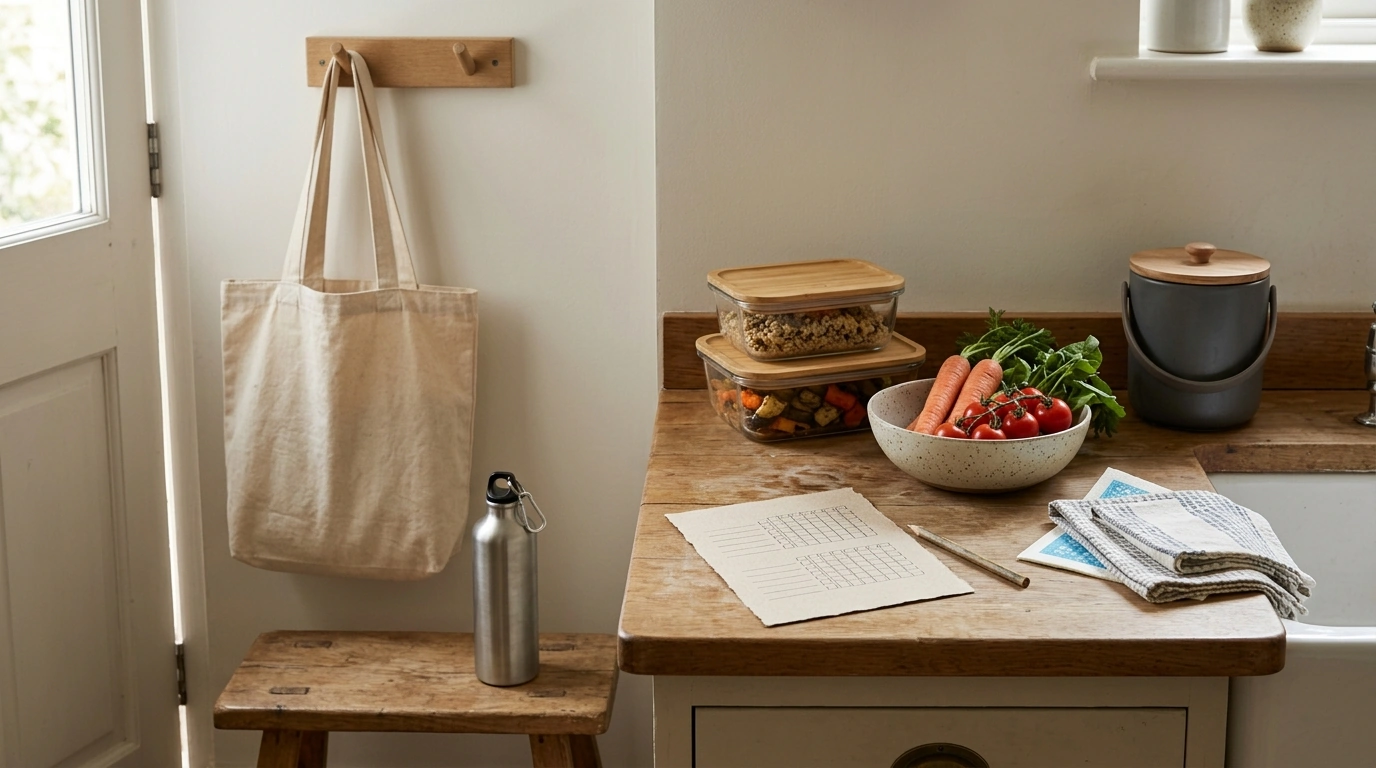
Small, repeatable actions tend to stick better than big one-time overhauls. This checklist-style guide groups practical habits by the moments they happen—morning routines, shopping decisions, meals, cleaning, and getting around—so sustainable choices become easier to repeat. Pick a few “starter” habits, track them for two weeks, then upgrade only what feels effortless.
How to use a habits checklist without getting overwhelmed
- Start with 5 habits max for the first 14 days; consistency beats intensity.
- Choose “swap” habits (replace one item) and “reduce” habits (use less) to keep decisions simple.
- Make habits frictionless: keep reusables where they are used (bags by the door, bottle in the car, containers in the work bag).
- Track outcomes that matter: fewer trash bags, fewer impulse purchases, lower energy use, more leftovers eaten.
- Upgrade gradually: after two weeks, keep what worked and add only 1–2 new habits.
Everyday eco-friendly habits checklist by area
Focus on high-impact categories first: home energy, food waste, transport, and purchasing habits. Mix “no-spend” habits (turning off lights, planning meals) with a few strategic purchases (LEDs, reusable containers) when needed. Aim for progress, not perfection—some habits will be seasonal or situation-dependent.
| Area | Starter habit (today) | Upgrade habit (next) | Time/cost notes |
|---|---|---|---|
| Home energy | Set thermostat a bit closer to outdoor temp | Use a programmable schedule; seal drafts | 5 minutes; low cost for weatherstripping |
| Laundry | Wash cold; run full loads | Line/air-dry some items; clean dryer filter | No cost; saves energy |
| Kitchen | Plan 3–4 repeat meals; use leftovers first | Compost food scraps where available | 10 minutes planning; compost depends on local options |
| Shopping | Carry a reusable bag and water bottle | Buy refills/bulk for frequent staples | One-time purchase; reduces packaging |
| Cleaning | Use microfiber cloths + diluted soap | Switch to concentrated refills; avoid single-use wipes | Low cost; less plastic waste |
| Transport | Combine errands into one trip | Walk/bike/transit for short trips when possible | No cost; time varies |
Home habits that cut waste and energy use
- Lighting: Switch off unused rooms; prioritize LED bulbs when replacements are needed.
- Heating/cooling: Close curtains on hot afternoons; use fans before lowering AC; dress for the season indoors.
- Standby power: Use a power strip for chargers and entertainment devices; unplug rarely used appliances.
- Water: Take shorter showers; fix drips; run the dishwasher only when full; keep a pitcher of cold water in the fridge instead of running the tap.
- Paper and disposables: Opt for washable cloths and refillable soaps where convenient.
For a deeper baseline on practical household actions (and why they matter), the U.S. EPA’s Reduce, Reuse, Recycle guidance is a solid reference point.
Kitchen and food choices that reduce impact
- Meal planning: Keep a short rotation of reliable meals; shop with a list; create an “eat-me-first” bin in the fridge.
- Food waste: Freeze leftovers in single-portion containers; label with dates; turn odds and ends into soups, stir-fries, or salads.
- Lower-waste shopping: Choose larger formats for staples used weekly; pick loose produce when available; skip individually wrapped snacks.
- Smart storage: Use clear containers so food stays visible; store herbs like flowers in a jar of water to extend freshness.
- Composting: Check local rules for countertop scrap collection, drop-off sites, or backyard composting.
When motivation dips, pick the habit that prevents the most “invisible waste”: eating what you already bought. One planned leftover lunch per week can quietly reduce both spending and trash.
Shopping habits that prevent clutter and packaging
- Use a 24-hour pause for non-urgent purchases to reduce impulse buys and duplicates.
- Choose durable, repairable items: look for replaceable parts and simpler materials that can be cleaned and maintained.
- Favor secondhand first for household items, furniture, and some clothing categories.
- Avoid vague “eco” claims: prioritize clear details (materials, certifications, refill options) over marketing language.
- Build a tiny reusables kit: bag, bottle, utensil, and a small container—kept in one consistent place.
One simple upgrade that supports lower-waste daily habits is reducing “single-use by default” items at home. A durable tissue box can help replace disposable packaging clutter and keep refill packs tidy. For a long-lasting option, see Natural Marble Tissue Box with Gold Accents.
On-the-go habits: transport and daily errands
If public transit or walks are part of the routine, a small comfort habit can make “leave the car at home” easier to repeat—like keeping a reliable pair of earbuds ready for commutes. Consider HiFi Dynamic Driver Earbuds as a practical add-on for greener day-to-day transportation choices.
Make the checklist stick: tracking, resets, and realistic goals
For broader context on why everyday reductions add up globally (and why consistency matters), explore the United Nations Environment Programme resources and the latest IPCC reports.
A simple starter plan (choose your first 5)
Prefer a ready-to-follow printable you can check off daily? Grab the Eco-Friendly Lifestyle Habits Checklist | Sustainable Living Guide for Everyday Green Choices and start with a two-week sprint.
FAQ
What are the easiest eco-friendly habits to start today?
Start with quick wins that fit your current routine: carry a reusable bag and bottle, wash clothes in cold water with full loads, meal-plan a few dinners, combine errands into one trip, and replace a single-use cleaning habit with washable cloths.
How long does it take to build sustainable lifestyle habits?
It varies by person and habit, but a two-week starter sprint is a practical way to build momentum. After 14 days, keep what felt easy and add only 1–2 new habits to avoid burnout.
Do small changes really make a difference?
Yes—because they compound. Daily reductions in energy use, fewer wasted groceries, and fewer impulse purchases can add up to noticeably less trash and lower resource use over months.












Leave a comment