Hair Accessories Guide: Best Picks for Every Hair Type
The Ultimate Guide to Hair Accessories: Styling Tips, Hair Types, and Everyday Upgrades
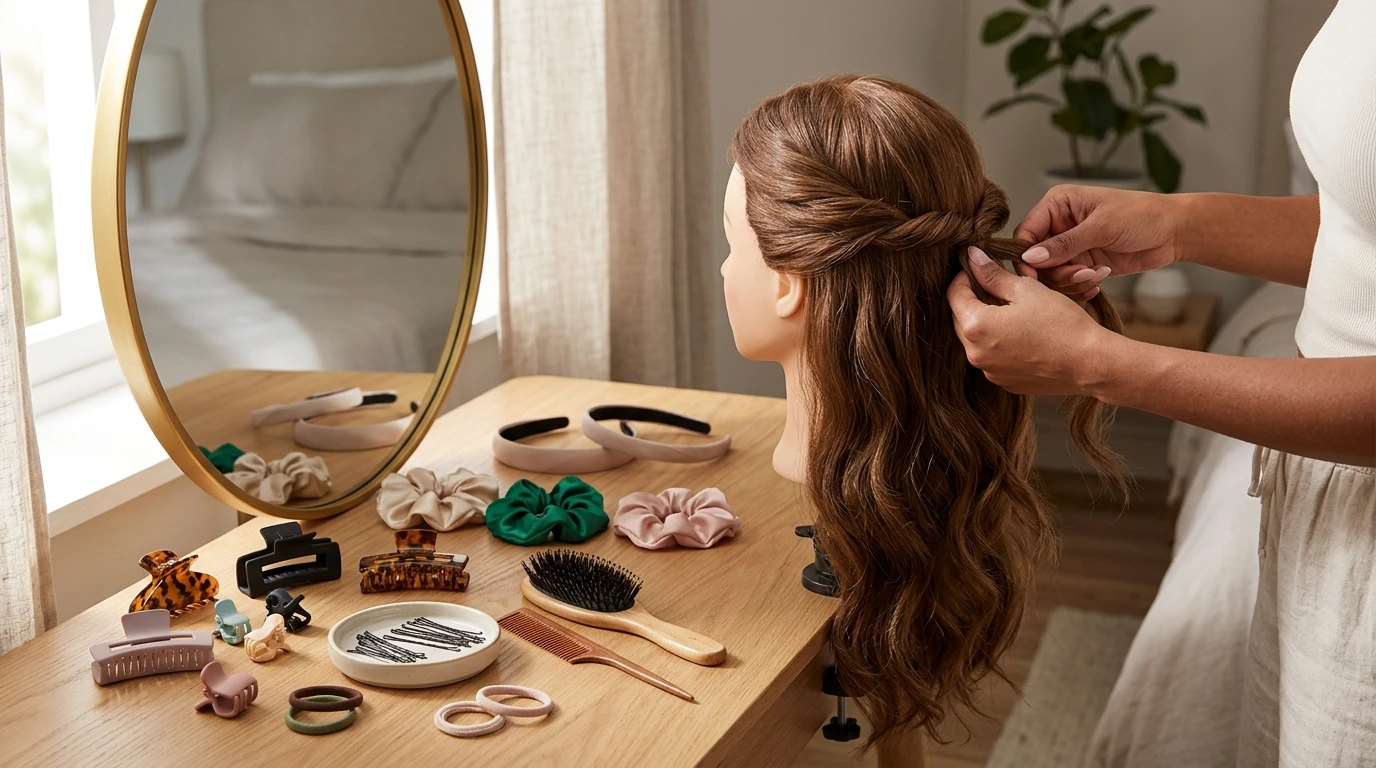
Hair accessories can change the whole feel of a look in minutes—adding polish, controlling flyaways, protecting fragile strands, or making a hairstyle feel intentional. The challenge is choosing pieces that actually work for a specific hair type and lifestyle. This guide breaks down the most useful accessories, how to match them to texture and length, and how to style them without snags, slipping, or breakage.
What Hair Accessories Do Best (Beyond “Looking Cute”)
- Control: Hold hair in place for work, workouts, or windy weather without constant readjusting.
- Protection: Reduce friction and breakage when you use snag-free materials and gentle tension.
- Shape: Create volume, lift, and structure—especially helpful for fine hair or layered cuts.
- Finish: Add a focal point that makes simple styles feel elevated (even a basic ponytail).
- Function-first mindset: Start with comfort and hold, then choose color and silhouette to match the outfit.
When accessories feel “bad,” it’s usually a technique or fit issue: too much tension, the wrong size, or placement that only grabs surface hair. Small adjustments often fix slipping immediately.
Match Accessories to Hair Type and Texture
- Fine or thin hair: Prioritize lightweight pieces with grip (mini claw clips, textured pins, slim headbands). Skip heavy clips that slide and collapse.
- Thick hair: Choose larger claw clips, stronger elastics, and wider headbands. Look for reinforced springs and wider teeth that can handle the density.
- Curly or coily hair: Use snag-free, smooth surfaces and larger shapes to avoid disrupting curl clumps. Satin/silk-friendly options can help reduce frizz and friction.
- Straight hair: Add texture for grip (dry shampoo or texturizing spray) before clips and pins; comb-style headbands or ridged designs often hold better.
- Short hair: Rely on mini clips, bobby pins, thin headbands, and barrettes to control fringe and layers without swallowing your haircut.
- Long hair: Focus on weight distribution—larger clips, spiral pins, and sturdy elastics reduce tension at the roots and keep buns from sagging.
Accessory Cheat Sheet: What to Use, When, and Why
Use this quick reference to pick pieces that match both your hair type and the job the accessory needs to do. If an accessory slips, adjust prep (add texture), placement (anchor near the root), or size (bigger clip/stronger elastic).
| Accessory | Best for hair types | Best use cases | Tips to prevent slipping or damage |
|---|---|---|---|
| Claw clip (small/medium/large) | Fine (small), medium-thick (medium), thick/long (large) | Twists, half-up styles, quick updos | Twist tighter at the scalp; choose the right size; avoid over-tightening on wet hair |
| Scrunchie (fabric) | All types; especially curly/coily and fragile hair | Ponytails, loose buns, protective styling | Wrap only as tight as needed; satin options reduce friction |
| Elastic hair tie (seamless/soft) | All types; choose stronger versions for thick hair | High-activity hold, sleek ponytails | Avoid rubbery ties; vary placement to reduce stress on the same spot |
| Bobby pins and U-pins | All types; great for short and layered hair | Securing buns, pinning back fringe, shaping volume | Crisscross bobby pins; use U-pins to anchor buns without over-pinning |
| Headband (soft, structured, comb-style) | Straight to wavy; curly/coily with gentle pressure | Framing the face, controlling flyaways, styling on day-two hair | Add texture at the hairline; avoid overly tight bands that cause headaches |
| Barrette / snap clip | Fine to medium; short to medium lengths | Statement accents, side-swept bangs, half-up polish | Backcomb lightly for grip; place over a small section for a secure latch |
Everyday Styling Ideas That Take Under 5 Minutes
How to Make Accessories Stay Put
If you’re dealing with breakage or thinning at the hairline, keep tension in mind. Consistently tight styles can contribute to traction-related hair loss; the American Academy of Dermatology Association highlights this risk and recommends looser styling habits when possible (AAD guidance).
Care and Storage: Keep Pieces Looking New
For a deeper look at why hair snaps and how to reduce damage from daily habits, Cleveland Clinic offers a practical overview of common causes and prevention steps (Cleveland Clinic: hair breakage).
Build a Small “Capsule” Accessory Kit
Digital Download: The Ultimate Guide to Hair Accessories
If you want a ready-to-use reference you can keep on your phone, The Ultimate Guide to Hair Accessories (digital download) organizes accessory choices by hair type, styling goal, and comfort needs—so it’s faster to troubleshoot slipping, reduce tension, and build a small kit that actually gets used.
For an everyday vanity upgrade that keeps your getting-ready space polished, the Natural Marble Tissue Box with Gold Accents adds a clean countertop finish—especially helpful when hair spray, dry shampoo, and pins are part of the daily routine.
FAQ
Which hair accessories are best for fine hair that won’t stay put?
Go for lightweight pieces with built-in grip: mini claw clips, small barrettes, textured bobby pins, and slim headbands. Add a quick dusting of dry shampoo at the roots and place clips closer to the scalp so they catch more than just surface strands.
Do hair accessories cause breakage?
They can if they’re overly tight, snaggy, or removed roughly—especially when you repeat tension in the same spot every day. Fabric scrunchies, seamless ties, gentle pins, and rotating your ponytail or bun placement help reduce stress and snapping.
What’s the easiest accessory-based hairstyle for busy mornings?
Three fast options are a half-up twist secured with a claw clip, a low bun “stitched” in place with U-pins, or a headband refresh on day-two hair. Each takes about a minute once you’ve found the best placement for your hair density and texture.










Leave a comment