40mm Automatic Diver: Ceramic Bezel, Gradient Dial
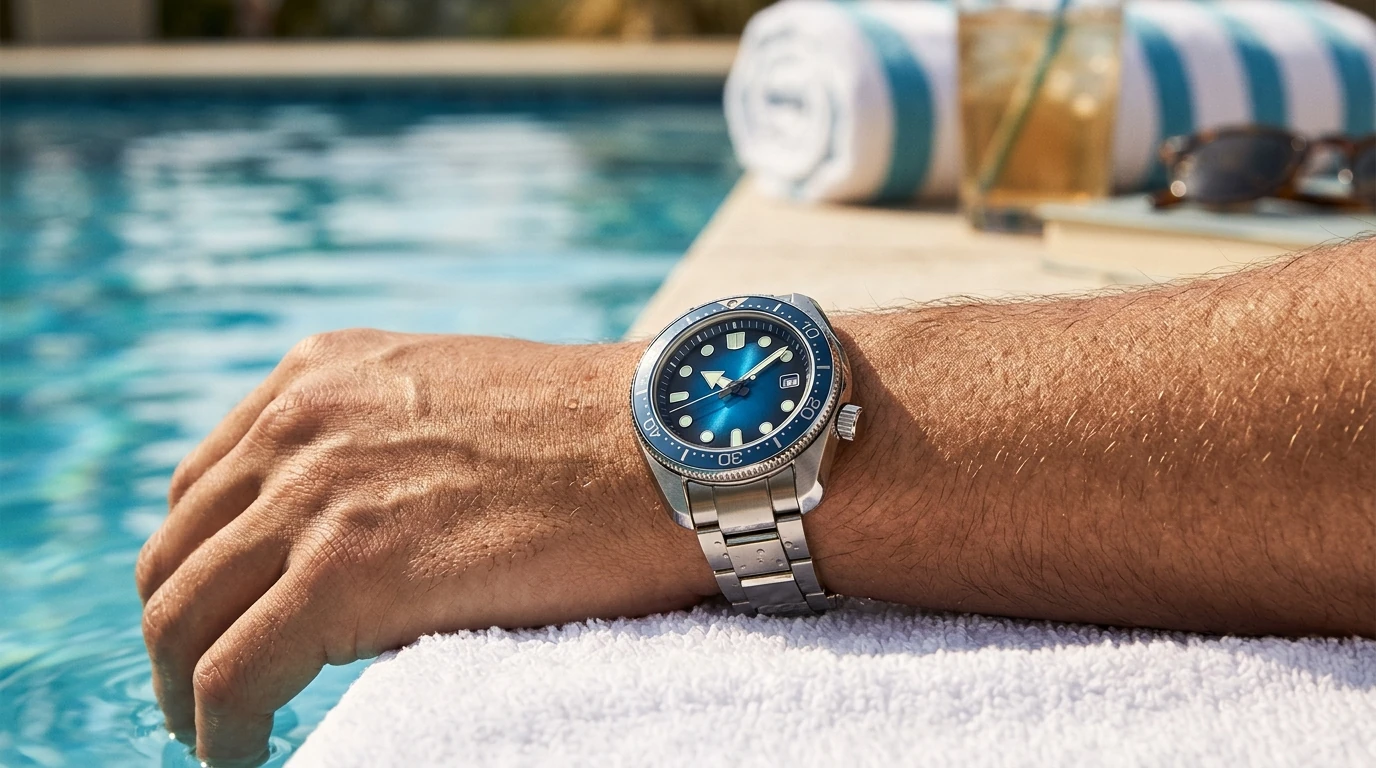
40mm Automatic Dive Watch with Ceramic Bezel & Gradient Dial
Built for water-ready practicality and everyday wear, this 40mm automatic dive watch pairs a scratch-resistant ceramic bezel with a vivid gradient dial for strong legibility and standout style. The compact case size suits a wide range of wrists, while the dive-focused layout keeps timing simple and reliable—whether it’s pool time, travel days, or a week of back-to-back meetings.
If you like the confidence of a classic diver but prefer proportions that stay comfortable under sleeves, a 40mm case hits a highly wearable middle ground. Add a ceramic bezel insert for durability and a gradient dial for depth, and you get a tool-style watch that still feels refined when the light catches it.
What Makes This Watch Different
- 40mm case size for a balanced, versatile fit that works as a daily watch and a travel companion.
- Ceramic bezel insert for improved scratch resistance compared with painted or aluminum inserts.
- Gradient dial that adds depth and contrast without sacrificing readability.
- Automatic movement feel: no daily battery changes and a mechanical wearing experience.
Design Details: Ceramic Bezel + Gradient Dial
A dive watch lives and dies by how well it reads at a glance. Here, the design leans into that purpose while adding a more elevated look than a basic flat dial.
- Ceramic bezel is valued for its hardness and color stability, helping it resist surface marks during normal wear.
- Dive-style timing bezel is designed for quick elapsed-time tracking—useful for workouts, cooking, or keeping an eye on a parking meter.
- Gradient dial shifts tone from center to edge, visually framing the hands and markers and creating a premium look under changing light.
- Clean 40mm layout tends to keep the dial readable without looking oversized on smaller wrists.
For anyone curious about what “dive watch” standards can involve, the ISO overview of divers’ watches is a helpful reference point: ISO 6425 — Divers’ watches (overview).
Comfort and Wearability in a 40mm Case
Wearability is where 40mm often shines. It’s substantial enough to feel like a real tool watch, but it doesn’t dominate the wrist or snag on cuffs the way larger cases can.
- 40mm as a “sweet spot”: present and sturdy, without feeling bulky in day-to-day use.
- Secure closure matters: a dependable clasp or buckle keeps the watch stable when your wrist shifts from dry to wet (or warm to cool) throughout the day.
- Active fit tip: keep it snug (not tight) to reduce sliding, which can lead to knocks against desks, railings, or gym equipment.
- Style flexibility: a compact diver pairs easily with casual looks, travel layers, and business casual without feeling out of place.
Using a Dive-Style Timing Bezel (Simple Routine)
The timing bezel is one of the most practical watch features around—simple, mechanical, and fast to read.
- Before starting an activity, rotate the bezel so the marker aligns with the current minute hand position.
- As time passes, compare the minute hand to the bezel scale to read elapsed minutes.
- For everyday tasks, treat the bezel like an instant countdown reference (tea steeping, study blocks, interval training).
- After saltwater or chlorine exposure, rinse the watch to reduce residue that can build up around bezel and case edges.
It helps to remember that water pressure increases with depth and conditions; NOAA offers a clear primer on the concept: NOAA: What is water pressure?.
Care Tips for Ceramic, Seals, and Daily Water Exposure
- Rinse after ocean or pool use with fresh water; dry with a soft cloth to prevent mineral spots.
- Don’t operate the crown/pushers when wet unless the design explicitly supports it.
- Plan periodic gasket checks if the watch sees frequent water use; water resistance can change over time.
- Ceramic is tough, not unbreakable: it resists scratches well, but sharp impacts can chip or crack it—avoid drops onto tile or stone.
Key Specs at a Glance
Price and availability can change; verify details on the product page before purchase. Use this checklist to compare fit, materials, and intended use.
| Feature | What to Look For | Why It Matters |
|---|---|---|
| Case size | 40mm | Balanced presence and comfort for more wrist sizes |
| Bezel material | Ceramic insert | Better scratch resistance and long-term appearance |
| Dial style | Gradient dial | Depth, contrast, and a modern tool-watch look |
| Movement type | Automatic | Mechanical convenience and no routine battery replacement |
| Water use | Match rating to real activities | Ensures suitability for swimming, snorkeling, or surface water exposure |
Who This Watch Suits Best
In-Stock Picks (Quick Links)
- 40mm Automatic Dive Watch with Ceramic Bezel & Gradient Dial — $317.01
- HiFi Dynamic Driver Earbuds — $114.01
- Natural Marble Tissue Box with Gold Accents — $212.47
FAQ
Is a ceramic bezel better than aluminum for everyday wear?
Ceramic typically resists scratches and fading better than aluminum, so it can look newer for longer with normal use. The tradeoff is impact behavior: ceramic can chip or crack from a sharp hit, while aluminum is more likely to scratch or dent without breaking.
How do automatic watches keep running if they aren’t worn every day?
Automatic watches wind via a rotor that moves as you wear the watch, storing energy in the mainspring. If it’s not worn, it will run until its power reserve is depleted and then stop, at which point you’ll reset the time (and date, if applicable) and get it running again.
Can this be worn for swimming?
Check the water-resistance rating listed on the product page and match it to your real activities. Always ensure the crown is properly secured, avoid adjusting it while wet, and remember that water resistance isn’t permanent—periodic gasket checks help maintain protection.









Leave a comment