Pelvic Floor Power Guide: Breath-Led Core Routine
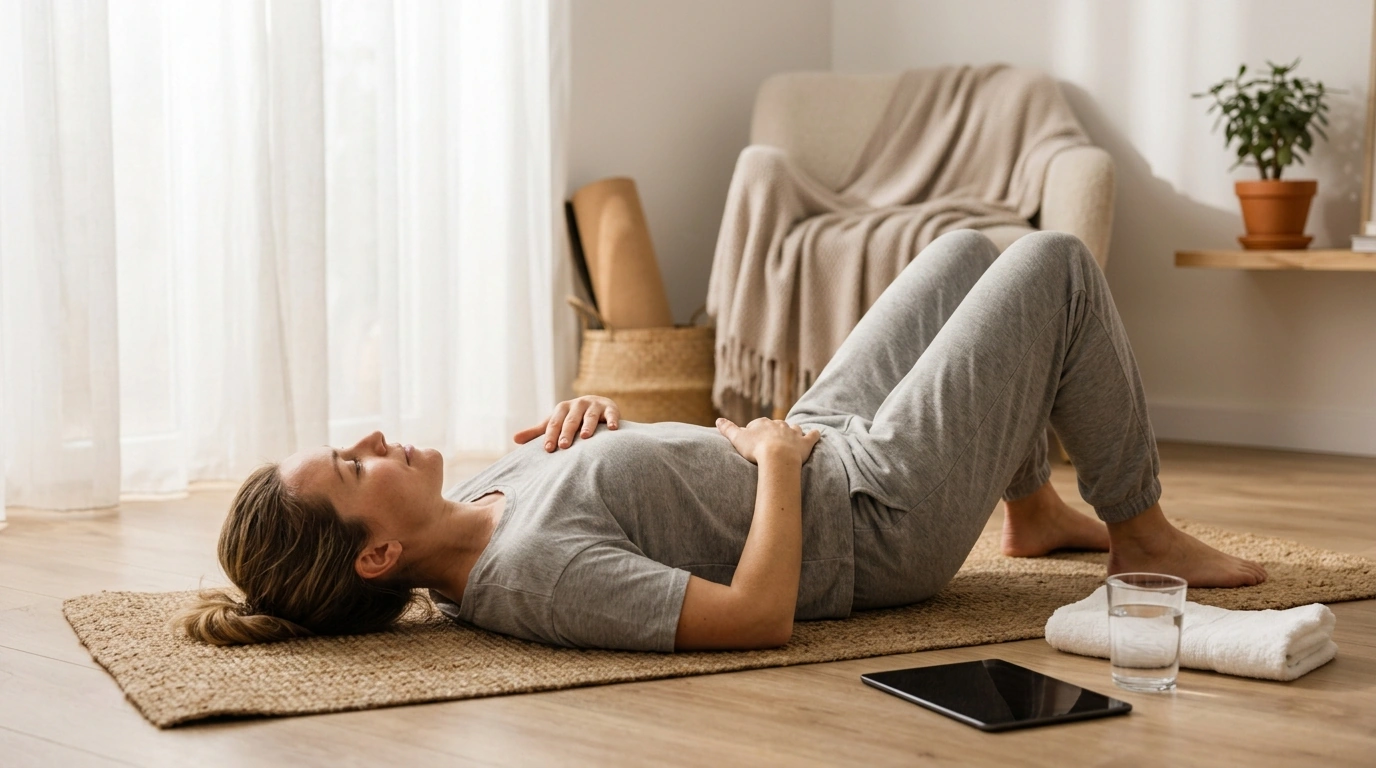
Pelvic Floor Power Guide (Digital Download): A Practical Routine for Core Strength and Women’s Wellness
A strong pelvic floor supports bladder control, posture, and overall core stability—yet many routines feel vague or hard to follow. The Pelvic Floor Power Guide (Digital Download) is built for clarity: simple cues, repeatable sessions, and a progression you can stick with in real life. Whether you’re starting from scratch or rebuilding consistency, the goal is the same—better control, better coordination with breath, and a routine that feels doable.
What the Pelvic Floor Does (and Why It Matters for Core Strength)
The pelvic floor is a group of muscles and connective tissues that supports the bladder, bowel, and reproductive organs. It also works as part of the “core canister” with the diaphragm, deep abdominals, and back muscles to help stabilize the trunk during movement.
- Support and stability: Helps provide pelvic support and contributes to steadier movement in daily tasks and workouts.
- Pressure management: When coordinated with breathing, it can improve how internal pressure is managed during lifting, running, laughing, coughing, and bending.
- Common concerns: Pelvic floor muscle training is often discussed for issues like leakage with coughing/sneezing, feelings of heaviness, or reduced pelvic support (individual causes vary).
- Pregnancy and postpartum: With appropriate medical guidance, pelvic floor and breathing work can support comfort and function during and after pregnancy.
For background on pelvic support concerns and when to seek care, see ACOG’s overview: American College of Obstetricians and Gynecologists (ACOG) — Pelvic Support Problems.
Who This Guide Is For (and When to Get Professional Advice First)
This download is a good fit for women who want a straightforward plan at home, without complicated equipment or guesswork.
- Beginners: Clear instructions, a structured routine, and a simple way to build consistency.
- Returning to training: A joint-friendly, low-equipment approach that prioritizes control over intensity.
- Busy schedules: Short sessions that can be repeated weekly and tracked over time.
Professional guidance is a smarter first step if any of the following are present: pelvic pain, pain with intercourse, unexplained bleeding, a new or worsening bulge/heaviness, or persistent symptoms after several weeks of consistent practice. Postpartum and post-surgery timelines vary—confirm readiness with a clinician or a pelvic health physical therapist when appropriate.
How to Do Pelvic Floor Contractions Correctly
Good technique is less about squeezing hard and more about coordinating breath, lift, and full release. If you’ve tried “Kegels” before and felt unsure, a breath-first approach is often the missing piece. (For a general how-to, see: Mayo Clinic — Kegel exercises: A how-to guide.)
Breath-first setup
- Inhale: Let the belly soften and the pelvic floor relax/lengthen.
- Exhale: Gently lift and narrow the pelvic floor (avoid breath-holding).
Helpful cues (and what to avoid)
- Cue: “Lift and close” around the openings—then fully release.
- Avoid: Squeezing glutes, gripping thighs, or pulling the belly in aggressively.
- Progression: Start with low intensity and precise control, then gradually build holds and reps.
Quick form check: signs to adjust
| What to notice | What it can mean | Simple fix |
|---|---|---|
| Shoulders/neck tense | Bracing instead of coordinating breath and pelvic floor | Reduce effort to 30–50%, exhale softly, keep ribs relaxed |
| Glutes clenching | Substituting larger muscles for pelvic floor | Place a hand on glutes to keep them relaxed; try a smaller lift |
| Holding breath | Overpressure and poor coordination | Count out loud or exhale through pursed lips to keep breathing |
| No clear “release” | Overactivity or incomplete relaxation | Add longer relaxation pauses; focus on a gentle inhale and letting go |
Inside the Digital Download: What to Expect
The Pelvic Floor Power Guide (Digital Download) is designed to make pelvic floor training practical and repeatable.
A Simple Weekly Structure to Build Consistency
Consistency is where results tend to show up. The structure below keeps practice varied while staying time-efficient. For additional general guidance, see: NHS — Pelvic floor exercises.
Example time commitment (adjust as needed)
| Session type | Time range | Goal |
|---|---|---|
| Technique | 5–8 minutes | Find the right muscles and smooth coordination with breath |
| Endurance | 6–10 minutes | Build staying power without straining |
| Coordination + movement | 8–12 minutes | Apply control to real-life patterns |
| Recovery | 3–6 minutes | Improve relaxation and reduce over-tension |
Habits That Support Better Results
Getting the Pelvic Floor Power Guide (Digital Download)
If a clear plan is the difference between “meaning to do it” and actually doing it, the Pelvic Floor Power Guide (Digital Download) offers instant access and a repeatable routine that can be revisited as skills improve. Consistent practice, good form, steady breathing, and full relaxation are the foundation.
If guided audio helps you stay consistent, consider pairing sessions with HiFi Dynamic Driver Earbuds for comfortable listening during short daily routines. For a small home setup upgrade, Natural Marble Tissue Box with Gold Accents can be a simple addition to a calm, organized bathroom or bedside space where breathing practice happens.
FAQ
How often should pelvic floor exercises be done to notice changes?
Many people notice improved control over several weeks of consistent practice, especially with short daily sessions. Quality matters more than intensity—aim for smooth coordination with breath and complete relaxation between reps, and track weekly changes rather than pushing max effort.
Can pelvic floor exercises help with bladder leakage?
Pelvic floor muscle training is commonly recommended for stress urinary incontinence, such as leakage with coughing or sneezing. Results depend on correct technique, consistency, and the underlying cause, so persistent symptoms are a good reason to seek a professional evaluation.
Should pelvic floor exercises be avoided if there is pelvic pain?
Yes—pain can signal overactivity or another condition, so stop any exercise that triggers pain and consult a clinician or pelvic health physical therapist. If cleared, relaxation-focused breathing and gentle down-training are often more appropriate starting points than stronger contractions.










Leave a comment