Low-Calorie Eating Made Easy: Meal Plans & Smart Swaps
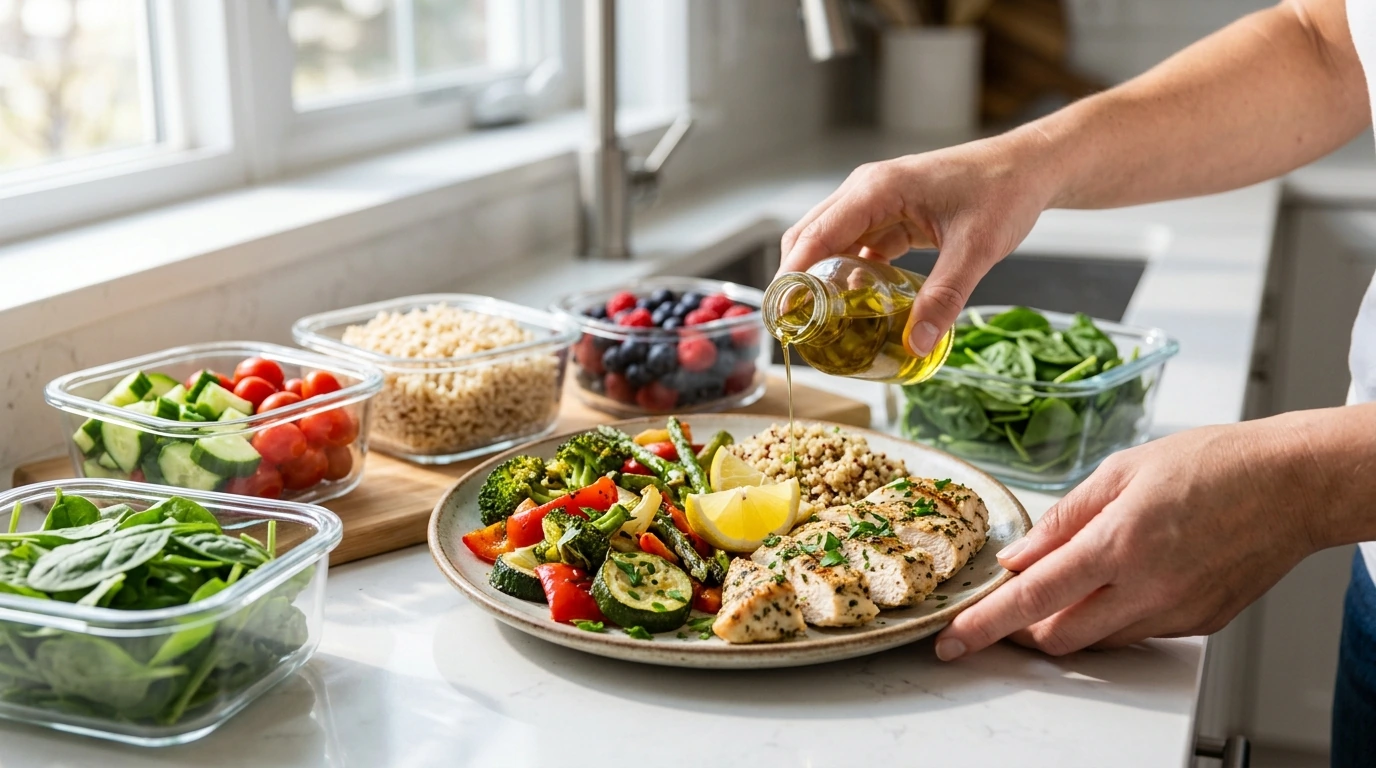
Your Friendly Guide to Healthy Low‑Calorie Eating: Smart Meal Planning and Guilt‑Free Nutrition (Digital Download)
Healthy low‑calorie eating gets easier when decisions are simplified: choose filling foods, build balanced plates, and plan ahead with flexible templates. This guide focuses on practical, everyday strategies—so meals feel satisfying, energy stays steady, and “starting over tomorrow” becomes less common.
What “low‑calorie” can mean without feeling restrictive
“Low‑calorie” doesn’t have to mean tiny portions or constant willpower. A sustainable approach starts with a calorie level that supports your goals while still meeting nutrient needs. Extreme cuts often backfire with fatigue, cravings, and rebound eating.
- Aim for a calorie level you can repeat most days, not a number that feels like punishment.
- Prioritize fullness signals: meals with protein, fiber, and volume tend to feel more satisfying.
- Keep expectations realistic: consistency across weeks matters more than perfect days.
- Use simple guardrails: most meals built from lean protein + high‑fiber carbs + colorful produce + a small portion of fats.
If you like structure, the USDA MyPlate model can be a helpful visual starting point—then you can adjust portions based on hunger, activity, and preferences.
The biggest “bang for your bite”: foods that help you feel full
When meals feel satisfying, it’s easier to stay in a lower‑calorie range without feeling deprived. The simplest shortcut: build around high‑volume foods, include a protein “anchor,” and use fats strategically.
- High‑volume, low‑energy foods: soups, salads, steamed vegetables, berries, melon, citrus.
- Protein anchors: chicken breast, turkey, fish, eggs/egg whites, tofu, tempeh, Greek yogurt, cottage cheese, beans and lentils.
- Fiber allies: oats, quinoa, brown rice, whole‑grain bread, chickpeas, edamame, chia, flax.
- Flavor boosters that don’t add much: herbs, spices, vinegar, citrus, mustard, salsa, hot sauce, pickles.
- Smart fats in measured amounts: olive oil, avocado, nuts, seeds—great for satiety, easy to overdo.
| If you usually choose… | Try this instead | Why it helps |
|---|---|---|
| Creamy dressing | Vinaigrette (measured) or yogurt-based dressing | Keeps flavor while reducing added fats and calories |
| Sugary snack bar | Greek yogurt + berries | Higher protein and volume for better fullness |
| Large serving of pasta | Half pasta + extra vegetables + lean protein | More fiber and protein without sacrificing a “real meal” feel |
| Fried sides | Roasted or air-fried vegetables | Crisp texture with less oil |
| Sweetened coffee drink | Coffee + milk or unsweetened latte with cinnamon | Cuts hidden liquid calories |
A no‑stress plate method for everyday meals
When you don’t want to count, a simple plate method keeps portions reasonable while still feeling abundant.
- Half plate: non‑starchy vegetables (leafy greens, broccoli, peppers, mushrooms, zucchini).
- Quarter plate: lean protein (fish, poultry, tofu, beans, eggs) to support fullness and muscle maintenance.
- Quarter plate: high‑fiber carbs (potatoes, whole grains, fruit, legumes) for energy and satisfaction.
- Add 1–2 “extras” intentionally: a measured fat, a sauce, or a treat—planned, not impulsive.
- Use repeatable templates: breakfast bowl, big salad, stir‑fry, sheet‑pan meal, soup + sandwich.
This style of building meals can also reduce decision fatigue—once the “shape” of the plate is set, you just swap ingredients you actually enjoy.
Smart meal planning that doesn’t feel like meal prep prison
Meal planning works best when it’s flexible. Instead of cooking seven different recipes, choose components you can mix and match.
- Pick a simple weekly lineup: 2 proteins, 2 veggies, 1–2 carbs, and 1 sauce; rotate seasonings to prevent boredom.
- Build a “mix‑and‑match” fridge: pre‑washed greens, chopped vegetables, cooked grains, and a ready protein.
- Plan for real life: include one convenience meal and one restaurant/leftovers slot to reduce all‑or‑nothing thinking.
- Use a snack strategy: pair protein + fiber (apple + cottage cheese, carrots + hummus, yogurt + berries).
- Write a short grocery list from templates: it’s faster than chasing new recipes every day.
For more guidance on safe, sustainable weight management approaches, the NIH NIDDK overview is a solid reference point.
Guilt‑free nutrition: treating “treats” as part of the plan
Enjoyable foods don’t have to be “earned.” The more a plan feels livable, the more likely it is to last.
- Replace rules with ranges: include favorite foods in portions that fit your day’s pattern.
- Use “add, don’t just remove”: add protein or fruit/veg to reduce the urge to overeat later.
- Spot the common trap: skipping meals often leads to night cravings and oversized portions.
- Choose satisfying treats: small dessert after dinner, a measured portion of chips with a protein snack, or a favorite latte on purpose.
- Progress checks: energy, sleep, hunger, and mood are as important as scale changes.
What’s inside the digital download
If you want a quick, friendly reference you can keep on your phone or tablet, Your Friendly Guide to Healthy Low‑Calorie Eating – Digital Download organizes these ideas into an easy, everyday system.
For supportive routines beyond the kitchen—like daily walks or meal-prep sessions—having reliable audio can make it easier to stay consistent. If that’s useful, consider adding HiFi Dynamic Driver Earbuds to your setup.
Getting started in 3 days
FAQ
Can low‑calorie eating still feel filling?
Yes—focus on higher protein, higher fiber, and higher volume foods (vegetables, fruit, legumes, lean proteins) plus measured fats and sauces for satisfaction.
Do calories need to be tracked to use this approach?
Not necessarily—portion guides (plate method), consistent meal templates, and smart swaps can reduce calories naturally; tracking can be optional for those who prefer numbers.
Is this suitable for busy schedules?
Yes—use mix-and-match components, repeatable templates, and planned convenience options to stay consistent without spending hours cooking.









Leave a comment