HiFi Dynamic Driver Earbuds: Fit, Sound & Daily Guide
HiFi Dynamic Driver Earbuds: Detailed Overview, Fit Tips, and Daily Use Guide
HiFi dynamic driver earbuds are built to deliver a natural, punchy sound with solid bass response and lifelike vocals. Dynamic-driver tuning can feel “effortless” because a single diaphragm moves air in a way that resembles traditional speakers—especially noticeable in sub-bass weight and drum impact. The key is that what you hear depends as much on fit and seal as it does on the driver itself. This guide explains what makes dynamic drivers sound different, how to lock in comfort and isolation, what to listen for across genres, and how to keep daily performance consistent.
What Makes a Dynamic Driver Sound Different
Dynamic drivers use a voice coil attached to a diaphragm to push and pull air efficiently. That air movement is a big reason many listeners describe dynamic-driver earbuds as having a fuller low end and a cohesive “all-from-one-place” presentation.
When the tuning is done well, dynamic drivers can sound natural across genres, with smooth transitions from bass to mids to treble. Instead of sounding stitched together, instruments tend to feel continuous—kick drum, bass guitar, and vocals blend without obvious gaps.
Detail perception isn’t only a driver question. A weak seal thins bass and can make treble seem overly forward, which is often mistaken for “too bright” tuning. Even small changes—tip size, insertion depth, or ear canal angle—can swing the sound from warm and punchy to sharp and lightweight.
For commuting and casual listening, dynamic drivers are often favored because they deliver satisfying impact while staying forgiving with everyday recordings.
HiFi Dynamic Driver Earbuds at a Glance
These earbuds suit listeners who enjoy a lively, musical signature for modern pop, hip-hop, EDM, and rock while keeping vocals present. Comfort and stability matter just as much as frequency response: a consistent seal makes bass more controlled and clarity more dependable over long sessions.
Quick Comparison Checklist for Earbuds
| What to check | Why it matters | What to look for |
|---|---|---|
| Fit and seal | Determines bass, isolation, and comfort | Multiple ear tip sizes; stable placement without pressure points |
| Driver type and tuning | Shapes tone and impact | Balanced mids for vocals; controlled treble; bass that doesn’t mask detail |
| Source compatibility | Affects loudness and dynamics | Plays well from phone; benefits from a clean DAC/amp if used |
| Controls and mic (if included) | Improves calls and convenience | Clear call pickup; reliable button/gesture response |
| Build and cable strain relief (if wired) | Affects longevity | Secure connectors; reinforced stress points; comfortable cable memory |
In-Stock Picks
- HiFi Dynamic Driver Earbuds — a strong option for listeners chasing punchy bass, clean vocals, and an easy daily fit routine.
- Natural Marble Tissue Box with Gold Accents — a premium desk or nightstand add-on that keeps wipes and tissues close for quick ear tip cleaning and daily organization.
Fit, Tips, and Comfort: Getting the Sound You Paid For
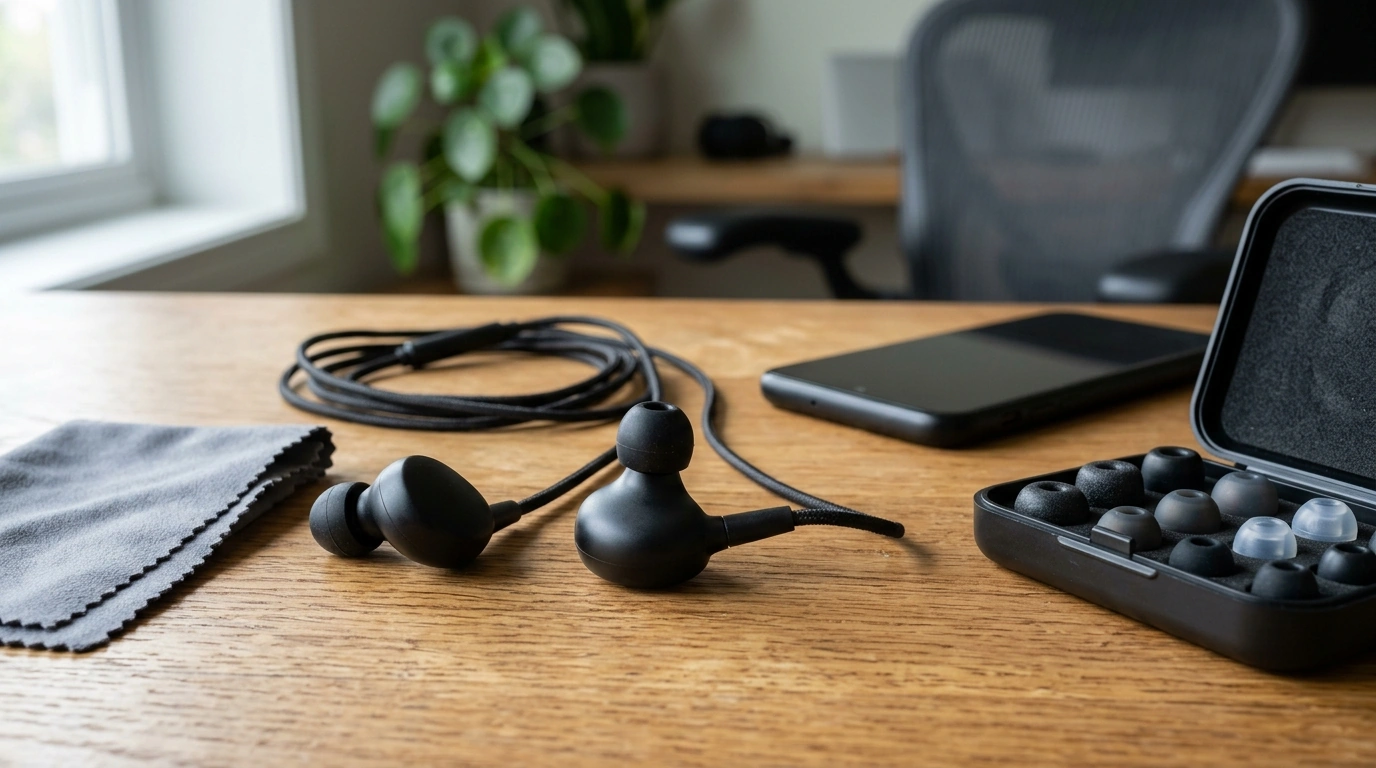
Fit is the fastest upgrade available, and it costs nothing but a few minutes of trial. Start with the medium tips, then size up if bass feels weak or outside noise is too present. Size down if pressure builds quickly or the earbuds feel “plugged” in an uncomfortable way.
To seat the earbuds, insert gently and rotate slightly until they feel locked in. A stable seal usually increases bass extension and can reduce perceived harshness, because the frequency balance snaps into place when the ear canal is properly loaded.
If one ear sounds different than the other, it may not be the tuning—it may be anatomy. Try swapping tips between ears or using different sizes per ear. Many people have slightly different ear canal diameters and angles, which changes seal and treble perception.
Foam tips can boost isolation and warmth (often smoothing the top end). Silicone tips usually sound a touch clearer and are easier to clean and maintain over time. Whichever you choose, do a comfort check: wear them for 20–30 minutes. Hotspots typically mean the tip is too large, the insertion angle is off, or the earbud shell is sitting against the outer ear in the wrong position.
Sound Character: What to Listen For Across Genres
Pairing With Phones, Dongles, and Players
A clean source preserves dynamics and reduces hiss. Many modern listeners use a phone plus a USB-C or Lightning dongle; a decent dongle DAC can be a meaningful upgrade compared to weak or noisy headphone outputs. For wireless setups, understanding the basics of Bluetooth audio can help explain why some devices sound different across codecs and connection quality (see the Bluetooth SIG audio overview).
For long sessions, keep volume at safe levels. Better isolation helps keep volume lower because you’re not fighting outside noise. General safe listening guidance is available from the World Health Organization.
Care, Cleaning, and Long-Term Reliability
When These Earbuds Are a Strong Match
FAQ
Do dynamic driver earbuds have better bass than balanced armature earbuds?
Dynamic drivers often deliver stronger sub-bass extension and a more natural sense of “slam,” but tuning and seal are decisive. Balanced armature designs can have very tight bass, yet they may not reach as deep unless the design specifically targets low-end extension.
Why do my earbuds sound thin with weak bass?
The most common cause is an imperfect seal from the tip size or insertion depth. Try sizing up tips, adjusting the angle, cleaning any blocked mesh/nozzle, and testing different tip sizes per ear if left and right canals seal differently.
Is it safe to listen to earbuds for hours every day?
It can be, as long as volume stays moderate and you take short breaks to reduce exposure. Better isolation usually helps because it lowers the temptation to turn volume up in noisy environments.









Leave a comment