Easy Lebanese Mezze: Hummus, Tabbouleh & Sides
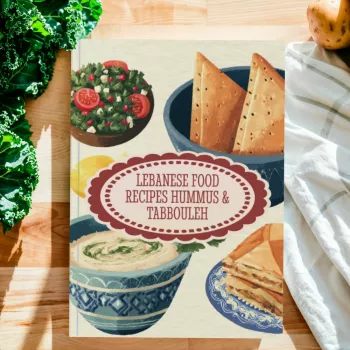
Lebanese Mezze at Home: Hummus, Tabbouleh, and Everyday Classics
A good mezze spread balances creamy, crunchy, bright, and herby flavors—often built around staples like hummus and tabbouleh. With a few core ingredients and a simple plan, a Lebanese-style table feels doable on a weeknight, yet special enough for guests. The goal isn’t perfection; it’s variety, freshness, and that satisfying mix of dips, greens, and warm bread.
What Makes a Lebanese Mezze Spread Feel Complete
Think “anchor + accents”: one creamy dip (hummus), one fresh salad (tabbouleh), and a few quick sides like pickles, olives, and flatbread. Balance matters as much as the recipes themselves—lemon and herbs bring brightness, olive oil adds richness, garlic gives punch, and salt provides structure so flavors read clearly.
Texture is part of the experience. Aim for at least one smooth element (hummus), one crisp element (cucumber, radish, romaine), one chewy element (pita), and one juicy element (tomatoes and parsley in tabbouleh). Because mezze is served in small plates, plan portions as “tastes” rather than full entrée servings; guests should want to try a little of everything.
Key Pantry and Fresh Ingredients (and Smart Substitutions)
Great mezze starts with a short, reliable set of staples:
- Chickpeas: Canned chickpeas keep things fast; dried chickpeas can deliver deeper flavor and a silkier blend if cooked until extremely tender.
- Tahini: Look for a pourable, well-stirred sesame paste. Harsh bitterness often means an older jar or lower-quality sesame.
- Lemons: Fresh juice makes the biggest difference; add a tiny bit of zest for aroma without turning the dip perfumey.
- Olive oil: A fruity extra-virgin is ideal for finishing. If you prefer a gentler taste in the dip itself, use a milder olive oil inside and save the good bottle for the top.
- Parsley and mint: Tabbouleh depends on abundant parsley. Mint adds lift, but it should support rather than dominate.
- Bulgur: Fine bulgur is traditional. If gluten-free is needed, quinoa works (different texture, still refreshing), or try finely chopped cauliflower for an ultra-light variation.
- Garlic: To soften the bite, crush it with salt into a paste, or soak minced garlic briefly in lemon juice before mixing.
For a deeper background on the cuisine’s foundations and common mezze items, Britannica’s overview is a helpful reference: Lebanese cuisine.
Hummus: A Creamy, Light Texture Without Fuss
Restaurant-style hummus is less about secret ingredients and more about technique. The fastest upgrade is to start with warm chickpeas—either freshly cooked or canned chickpeas warmed with their liquid. Warm beans blend smoother and help the tahini emulsify.
Technique that changes the texture
- Whip tahini first: Blend tahini with lemon juice before adding chickpeas. This creates a pale, fluffy base that keeps the final hummus light.
- Use ice-cold water: Add 1 tablespoon at a time while blending to loosen and “lift” the mixture without diluting flavor.
- Season in layers: Add salt early so it dissolves; adjust lemon later for brightness. Add garlic carefully—too much can eclipse the sesame and chickpea flavor.
Finishes and easy fixes
- Finish: Make a small well, add olive oil, and sprinkle paprika or cumin. Garnish with whole chickpeas or chopped parsley.
- Too thick: Add a bit more cold water while blending.
- Too bitter: Add lemon and a touch more salt; bitterness is often from tahini.
- Too bland: Add salt first, then a little garlic, then a final drizzle of olive oil to carry aroma.
Tabbouleh: Bright, Herb-Forward, and Not Too Wet
Tabbouleh should taste like herbs and lemon first, with bulgur acting as a supporting player. To keep it light, hydrate fine bulgur gently (soak in water or tomato juice) rather than fully cooking it.
Build a Simple Mezze Board (Weeknight or Guests)
Quick Mezze Plan by Time Available
| Time | What to Make | What to Buy Ready | Serving Notes |
|---|---|---|---|
| 15 minutes | Quick hummus (canned chickpeas), chopped veggies | Olives, pickles, pita | Serve tabbouleh-style herbs on the side if short on chopping time |
| 30 minutes | Hummus + tabbouleh (fine bulgur), simple lemony salad | Labneh or marinated olives | Warm pita; finish hummus with olive oil and paprika |
| 60 minutes | From-scratch chickpeas (if pre-soaked) or upgraded hummus, full tabbouleh, extra dip | Baklava or dates for dessert | Add one hot item (halloumi or spiced potatoes) for contrast |
Storage, Make-Ahead, and Food Safety Tips
- Hummus: Keeps 3–4 days refrigerated in an airtight container. A thin layer of olive oil on top reduces drying and helps preserve aroma.
- Tabbouleh: Best the day it’s made. For make-ahead, chop herbs and dice tomatoes separately, then combine with lemon, salt, and olive oil right before serving.
- Herbs: Store washed, dried herbs wrapped in a barely damp paper towel inside a container to extend freshness.
- Serving safety: Keep dips chilled and return perishables to refrigeration within 2 hours (or 1 hour in hot weather). For more detail, see the USDA guidance on leftovers and cold storage: USDA Food Safety and Inspection Service.
A Handy Digital Cookbook for Authentic Lebanese Favorites
- Lebanese Food Recipes Hummus & Tabbouleh | Traditional Middle Eastern Cookbook eBook | Authentic Mezze Digital Download Guide (instant download)
- Natural Marble Tissue Box with Gold Accents (a polished table touch for lemon wedges, herb stems, and quick wipe-ups)
FAQ
Can hummus be made without tahini?
Yes. It won’t taste quite the same, but a mild nut butter or extra olive oil can add body; increase lemon and salt slightly, and blend longer to help smooth the texture.
How can tabbouleh be kept from getting watery?
Dry parsley thoroughly, seed and dice tomatoes, and mix in lemon and salt close to serving time. If prepping ahead, keep chopped herbs and tomatoes separate until the last moment.
Is tabbouleh gluten-free?
Traditional tabbouleh uses bulgur (wheat), so it isn’t gluten-free. For a gluten-free version, substitute cooked-and-cooled quinoa or finely chopped cauliflower for a similarly fresh, light salad.










Leave a comment