Veggie Cooking Checklist: Prep, Cook, Flavor—Fast
Healthy Veggie Cooking Checklist: Smart Prep, Cooking Methods, and Flavorful Meals
A simple checklist can turn vegetables into reliable, tasty meals—without overthinking every step. Use this guide to plan, prep, cook, and season vegetables in ways that protect texture and nutrients while keeping weeknight meals fast and satisfying.
What the checklist helps with (and when to use it)
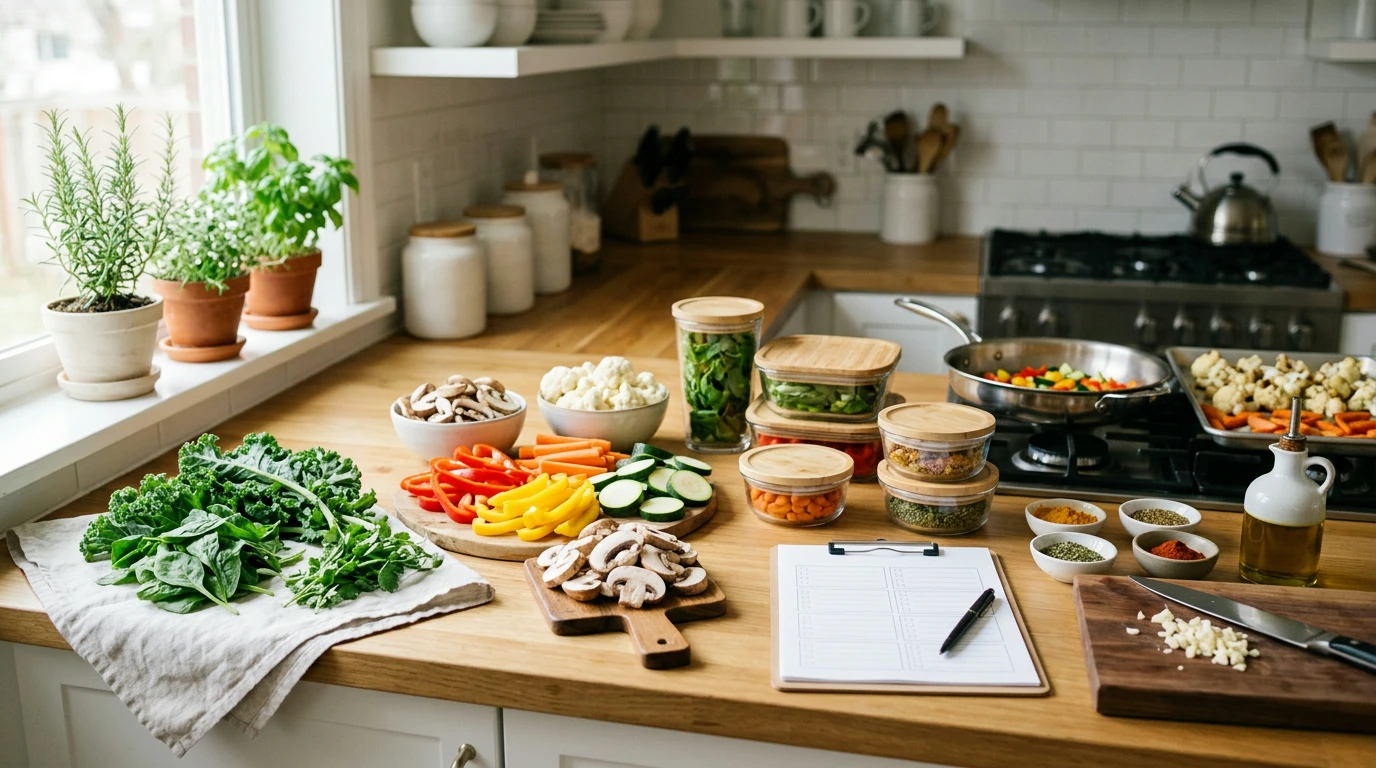
A veggie checklist works best when it’s used at three moments: grocery planning, prep day, and right before cooking. At the store, it nudges you toward a practical mix of quick-cook vegetables (like zucchini and peppers) and sturdy roast-friendly vegetables (like carrots and cauliflower). During prep, it creates a default routine for washing, cutting, storing, and rotating what you bought so you waste less and cook more.
Right before cooking, the checklist helps build balanced plates by pairing vegetables with a protein, a grain or starchy side, and a healthy fat. It also makes flavor “automatic” with a short list of seasonings, acids, and sauces that work across many vegetables—so dinner doesn’t stall out on decision fatigue.
Smart prep that saves time all week
Start with a quick 10-minute inventory. Write down the vegetables you have and flag what needs to be used first: leafy greens, mushrooms, ripe tomatoes, and anything already washed or cut. This small step prevents the common “mystery produce drawer” problem.
Wash and dry the right way
Excess moisture is a major cause of sogginess and spoilage. Rinse greens well, then dry thoroughly with a salad spinner or towel. For mushrooms, a quick wipe or fast rinse followed by immediate drying keeps them from turning slimy.
Batch-cut by shape (not by recipe)
- Sticks: good for snacking and stir-fries (carrots, celery, bell peppers).
- Florets: ideal for roasting (broccoli, cauliflower).
- Thin slices: fastest for quick sautés (zucchini, onions, mushrooms).
- Wedges: sheet-pan friendly (cabbage, sweet potatoes, thick onions).
Store for freshness
- Greens do best in breathable containers or bags with a paper towel to manage moisture.
- Cut carrots and peppers hold well in airtight containers (add a dry paper towel if condensation appears).
- Label containers with the prep date to make midweek choices obvious.
To speed up cooking decisions, pre-mix one or two seasoning blends (for example, garlic-herb or smoky chili-lime). When you’re hungry, “seasoning is already decided” is a real advantage.
Choose the best cooking method for the vegetable and the meal
The healthiest, most enjoyable vegetables are usually the ones cooked just enough—tender-crisp, brightly colored, and well-seasoned. Match the method to the vegetable’s water content and the texture you want: roast for caramelized edges, sauté for speed, steam for clean flavor, blanch for vivid color, grill for smoke, or microwave-steam when time is tight.
Cooking Methods Cheat Sheet for Better Vegetable Texture and Flavor
| Method | Best for | Time range | Texture goal | Flavor boosters |
|---|---|---|---|---|
| Roast (425°F / 220°C) | Broccoli, cauliflower, carrots, Brussels sprouts | 15–35 min | Crisp edges, tender center | Olive oil, garlic, paprika, lemon zest |
| Sauté / Stir-fry | Zucchini, peppers, mushrooms, cabbage | 5–12 min | Tender-crisp, glossy | Soy sauce/tamari, ginger, sesame, lime |
| Steam | Green beans, asparagus, broccoli | 3–8 min | Bright, firm-tender | Salt, pepper, butter/olive oil, herbs |
| Blanch + finish | Greens, green beans, broccoli | 2–5 min + 2–4 min | Vivid color, no mush | Garlic, chili flakes, vinegar |
| Grill | Eggplant, corn, peppers, asparagus | 6–15 min | Charred outside, juicy inside | Cumin, smoked salt, yogurt sauce, citrus |
For nutrition guidance and easy ways to add more vegetables to your meals, see USDA MyPlate and Harvard’s overview on vegetables and fruits.
Flavorful meals without complicated recipes
Great vegetable meals don’t require a long ingredient list. Use a simple formula: fat + aromatics + seasoning + acid + finishing touch.
Texture contrast is the shortcut to “restaurant feel.” Try roasted vegetables topped with pepitas, or sautéed greens finished with crispy breadcrumbs. To make vegetables feel like the main event, build a bowl with quinoa or rice, add beans or eggs, then finish with a bold sauce. For busy nights, freezer helpers like frozen peas, spinach, and cauliflower rice add volume and color in minutes. The CDC also has practical, everyday tips for healthier eating habits at CDC Nutrition.
A practical weekly routine (10–45 minutes of effort, big payoff)
Printable digital checklist for everyday cooking
If consistency is the goal, a checklist makes the process repeatable. The Healthy Veggie Cooking Checklist printable digital download is designed to be used while shopping, prepping, and cooking—so decisions happen faster. It supports flavor planning with quick prompts for seasonings, sauces, and finishing touches, and the digital format makes it easy to print or keep on a tablet or phone during meal prep.
Small extras that make cooking feel easier
- HiFi Dynamic Driver Earbuds for hands-free timers, calls, or a cooking playlist while you prep and roast.
- Natural Marble Tissue Box with Gold Accents to keep cleanup simple and your counter setup polished during messy chopping sessions.
Common mistakes that make vegetables less enjoyable (and quick fixes)
FAQ
What’s the healthiest way to cook vegetables without losing nutrients?
No single method is best for every vegetable, but steaming, microwave-steaming, quick sautéing, and roasting with minimal water are reliable options. The key is avoiding overcooking; also, some nutrients become more available after cooking in certain vegetables.
How long do prepped vegetables last in the fridge?
Leafy greens are usually best within 2–4 days, while sturdy chopped vegetables (like carrots and peppers) often last 4–7 days when stored dry in airtight containers. Use a paper towel to manage moisture and label containers with the prep date.
How can vegetables taste better without heavy sauces?
Use the framework fat + aromatics + seasoning + acid + finishing texture. For example: olive oil + garlic + salt/chili flakes + lemon, then finish with toasted seeds or herbs for crunch and freshness.










Leave a comment