Diet Wellness Checklist: Simple Meal Planning & Habits
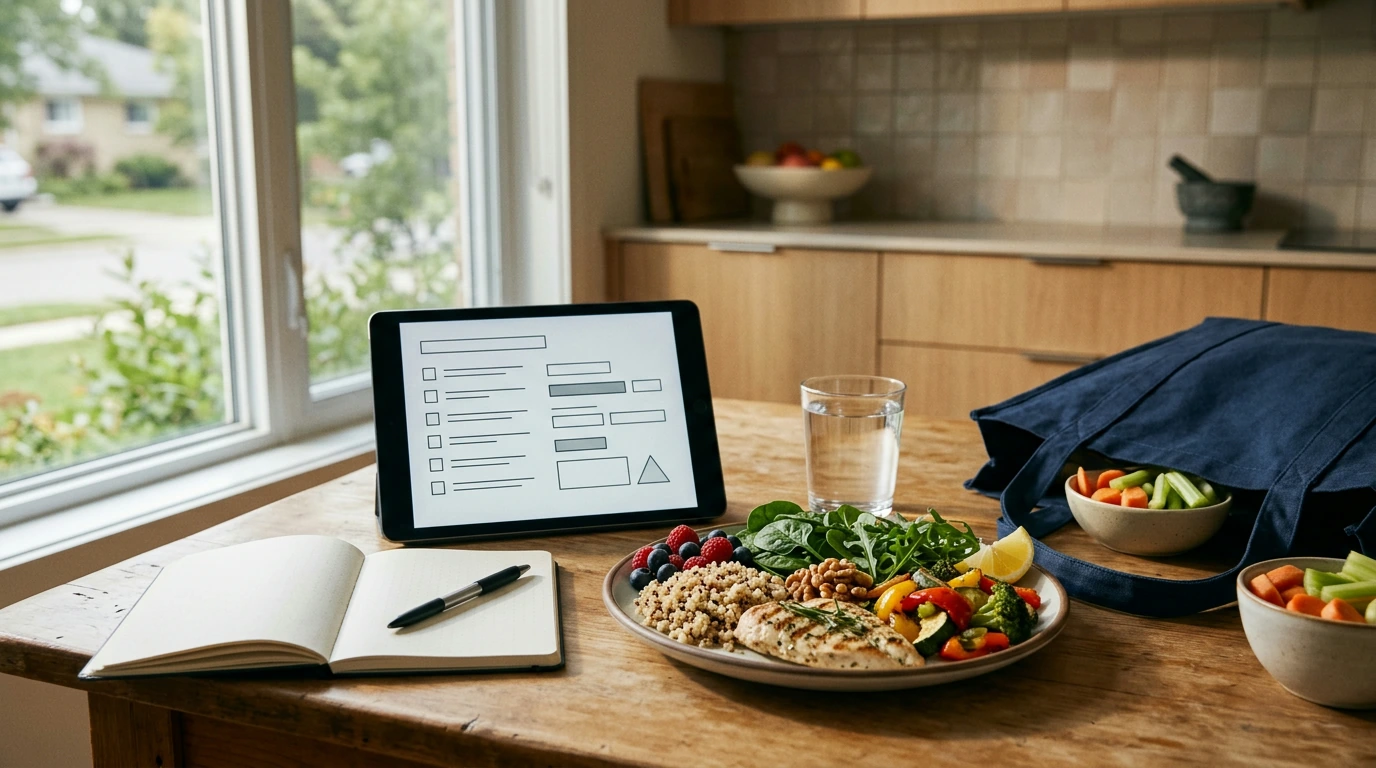
Your Ideal Diet Wellness Checklist: A Digital Guide to Healthy Eating, Meal Planning, and Mindful Habits
A practical nutrition routine works best when it’s clear, repeatable, and easy to track. A wellness checklist approach focuses on simple daily anchors—balanced meals, planning prompts, and mindful habits—so healthy choices feel more automatic, even on busy weeks. Instead of chasing perfection, you build momentum with small actions you can actually repeat.
What a wellness checklist solves (and why it’s easier than strict rules)
Strict food rules often fail for a predictable reason: they require constant willpower and lots of decisions. A checklist flips the script by making the “healthy default” easy to see and simple to do.
- Replaces all-or-nothing dieting with small, trackable actions that add up over time
- Reduces decision fatigue by turning “What should I eat?” into a short set of repeatable meal patterns
- Creates consistency without perfection: a missed day becomes a reset, not a restart
- Supports awareness of hunger, fullness, mood, and energy—signals that guide better choices
- Fits different dietary preferences by focusing on behaviors (planning, balance, hydration) rather than forbidden foods
If you like visual frameworks, the USDA’s MyPlate is a helpful reference for building balanced meals without counting everything.
Daily checklist foundations for balanced eating
The goal is to make your “good enough” day look a lot like your “ideal” day—just with fewer steps. Think of the checklist as a set of anchors you return to.
- Build each main meal around a simple plate: protein + fiber-rich carb + colorful produce + satisfying fat
- Aim for regular meal timing that prevents extreme hunger (which often drives impulsive snacking)
- Use “minimum viable nutrition” on hectic days: a protein + fruit/veg + whole-grain or legumes is enough
- Hydration check: water with meals and an extra glass mid-morning and mid-afternoon
- Add one micronutrient booster daily (leafy greens, berries, beans, nuts/seeds) rather than chasing perfection
- Plan a balanced snack when there’s a long gap between meals (protein + fiber works best)
Balanced Meal Checklist (Quick Build Guide)
| Meal component | Easy options | Checklist prompt |
|---|---|---|
| Protein | Eggs, Greek yogurt, tofu, chicken, tuna, lentils | Included a protein source? |
| Fiber-rich carbs | Oats, brown rice, quinoa, beans, whole-grain bread | Chose a whole/slow carb? |
| Colorful produce | Salad mix, frozen veg, berries, apples, peppers | Added 1–2 colors? |
| Healthy fats | Olive oil, avocado, nuts, seeds, nut butter | Added a satisfying fat? |
| Flavor & enjoyment | Herbs, spices, salsa, lemon, yogurt sauce | Made it enjoyable enough to repeat? |
For another science-backed visual guide, Harvard’s Healthy Eating Plate offers a balanced template you can adapt to many cuisines and diet preferences.
Meal planning that takes 20 minutes: a weekly rhythm
Meal planning doesn’t need to be a long Sunday project. A checklist-style rhythm keeps it light: repeat what works, keep a backup, and stock components that mix and match.
- Pick a planning day and time; consistency matters more than the exact day
- Choose 2–3 main “core meals” to repeat (rotate flavors to avoid boredom)
- Plan one “backup meal” using pantry/freezer staples for nights when plans change
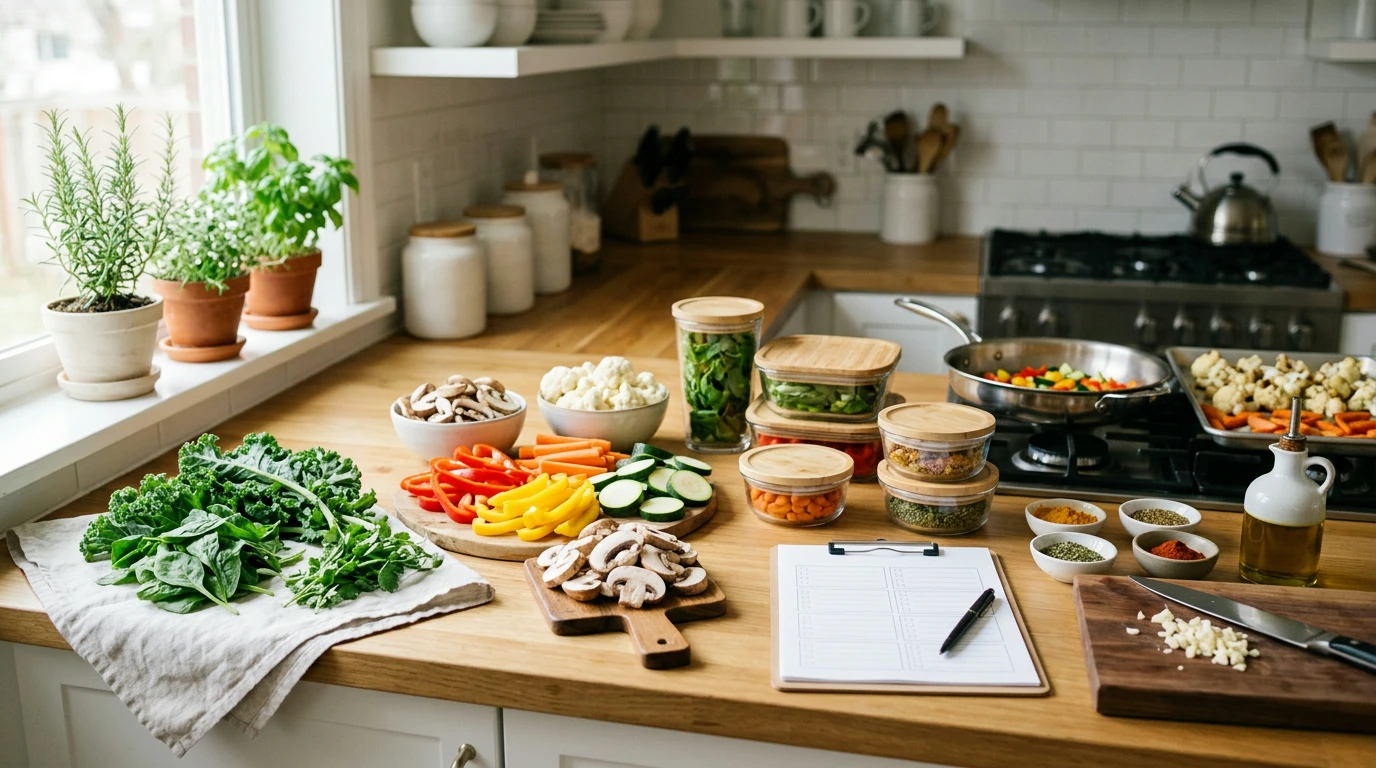
- Batch-prep one component (protein, grain, or chopped vegetables) to speed up weekday assembly
- Shop to a list organized by meal components (protein/produce/pantry), not by recipes alone
- Use a simple calendar: write dinners first, then lunches from leftovers, then breakfasts/snacks
When planning feels overwhelming, shrink the goal: pick two dinners you can cook on autopilot and one “assembly meal” (like grain + protein + frozen veggies + sauce). Repeating a few reliable options is a feature, not a failure—your future self will thank you at 6:30 p.m.
Mindful habits that support appetite, mood, and cravings
Mindful habits aren’t about eating with perfect focus in a silent room. They’re quick prompts that help you notice what your body is asking for—so cravings and stress don’t run the show.
- Hunger/fullness pause: a 10-second check before eating and halfway through meals
- Slow-start rule: first 3 bites intentionally (notice taste/texture), then eat normally
- Stress snack redirect: drink water, take 10 deep breaths, then decide if food is still needed
- Sleep and food connection: aim for a consistent bedtime window to reduce next-day cravings
- Environment design: keep “default” snacks visible (fruit, yogurt, nuts) and store treats out of sight
- Balanced indulgence: include favorite foods in planned portions to reduce rebound overeating
One practical add-on: pair a short walk with a calming playlist when the afternoon slump hits. If you like having a dedicated audio option for walks, workouts, or decompressing after work, consider the HiFi Dynamic Driver Earbuds as a simple way to make that “reset moment” easier to stick with.
Tracking progress without obsessing over numbers
Using a digital checklist to make habits stick
What’s included in the Your Ideal Diet Wellness Checklist
If you want a ready-to-use structure, Your Ideal Diet Wellness Checklist (digital nutrition guide) is designed to support daily follow-through without complicated tracking.
FAQ
Is this checklist suitable for any diet style (vegetarian, high-protein, gluten-free)?
Yes. The checklist focuses on balanced meal structure and repeatable habits (like planning, protein inclusion, produce, and hydration), so you can swap foods to fit vegetarian, high-protein, gluten-free, allergy-friendly, or other preferences.
How long does meal planning take with a checklist approach?
Most weeks, about 15–30 minutes. You choose a few core meals, add one backup option, and then build a simple grocery list based on components (protein, produce, pantry/freezer staples).
Does mindful eating mean eating slowly all the time?
No. Mindfulness can be brief—like focusing on the first few bites or taking a quick mid-meal pause—so you can better notice hunger, fullness, and satisfaction without forcing yourself to eat slowly at every meal.









Leave a comment