Men’s Accessories Checklist: Build a Sharp Capsule (Download)
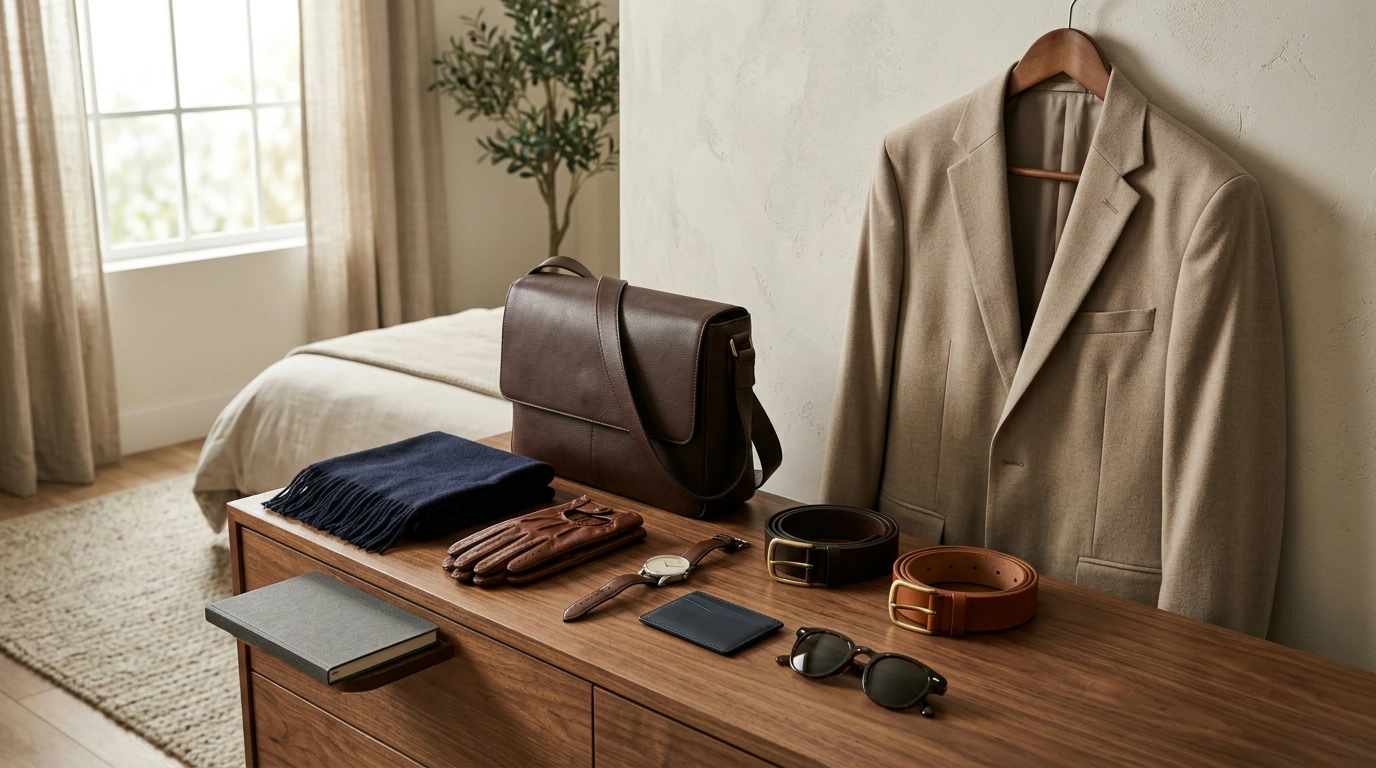
The Ultimate Fashion Accessories Checklist Every Guy Needs (Digital Download)
A strong outfit is built on details: the right watch, belt, bag, eyewear, and a few smart extras that work across workdays, weekends, and events. A simple system makes those choices automatic—so getting dressed feels intentional instead of improvised. If you want a fast way to audit what you already own and pinpoint the highest-impact upgrades, the The Ultimate Fashion Accessories Checklist Every Guy Needs (Digital Download) helps you prioritize, match, and maintain a collection that looks sharp without becoming complicated. For more guidance, see A Style Guide for Straight Guys | KQED.
Why accessories change the whole outfit
Clothes set the foundation, but accessories control the “finish.” The right pieces can make basics look elevated and help the entire look read as more deliberate. For further reading, see Dress is a Fundamental Component of Person Perception – PMC – NIH.
- They create structure: belts, watches, and eyewear add clean lines and natural focal points.
- They upgrade basics: a plain tee and jeans looks instantly sharper with a watch and quality sunglasses.
- They signal occasion: leather choices, metal finishes, and overall formality quietly communicate “office,” “date,” or “formal.”
- They improve practicality: bags, wallets, and cold-weather pieces solve daily problems while still looking refined.
For ongoing style guidance and inspiration, reputable men’s style editors often emphasize the same principle—clean, consistent finishing details—see resources like GQ and Esquire.
The core checklist: start with these essentials
If you’re building from scratch (or trimming down to what actually gets used), start with the accessories that show up most often and pair with the widest range of outfits.
- Everyday watch: a versatile style that works with casual and smart outfits (clean dial, neutral strap or bracelet).
- Belt rotation: at least one dress belt and one casual belt; match belt leather tone with shoes when dressing up.
- Wallet upgrade: a slim wallet or cardholder to reduce pocket bulk and keep things polished.
- Sunglasses: classic shapes in neutral colors; fit should align with face width and sit comfortably on the nose.
- Bag basics: one day-to-day option (tote, messenger, or backpack) plus a dressier option for meetings or events.
- Socks and hosiery: solid neutrals for work, a few textured or seasonal options, and clean athletic pairs for training.
- Cold-weather pieces: a scarf and gloves in neutral shades that layer easily with coats and jackets.
Want a quicker way to inventory and prioritize? The digital download checklist is designed to highlight the one or two gaps that will make the biggest difference first—often a belt, a watch, or eyewear.
Match accessories like a pro: color, metal, leather, and formality
Most “this outfit feels off” moments come down to mismatch: shiny with rugged, gold with silver, sleek with distressed. Use these simple rules to keep everything coherent.
- Leather harmony: for dressy outfits, keep shoes and belt in the same color family (black with black, brown with brown).
- Metal consistency: keep watch metal, rings, belt buckle, and eyewear accents moving in the same direction (mostly silver or mostly gold).
- Neutral-first approach: black, brown, tan, navy, and gray cover the widest set of outfits; add one accent color later.
- Texture is the shortcut: suede, pebbled leather, canvas, and knit pieces add depth without loud patterns.
- Dress code ladder: sporty (nylon/technical) → casual (canvas/suede) → smart (smooth leather) → formal (minimal, refined finishes).
One-week accessory capsule: fewer pieces, more outfits
A capsule approach prevents overbuying and makes it easier to stay consistent. You’ll repeat a few “anchors” and rotate only what needs variety.
- Pick 2–3 dominant colors that match most of the wardrobe (example: black + gray + navy; or brown + olive + cream).
- Use one signature item: a watch, bracelet, or sunglasses you wear most days to build personal consistency.
- Keep duplicates only where wear is hardest: socks, the everyday belt, and wallet durability matter most.
- Create two lanes: a weekday lane (sleeker) and a weekend lane (more rugged/relaxed) that still share core colors.
Accessory Capsule Checklist (Starter Set)
| Category | Starter pick | Best colors | Where it shines |
|---|---|---|---|
| Watch | Clean dial, neutral strap/bracelet | Silver/black or brown leather | Work, dates, everyday |
| Belts | 1 dress + 1 casual | Black + brown | Office, weddings, weekends |
| Sunglasses | Classic shape, medium tint | Black, tortoise, gunmetal | Travel, weekends, summer |
| Wallet | Slim wallet or cardholder | Black or brown | Daily carry |
| Bag | Structured day bag | Black, navy, dark brown | Commute, meetings, errands |
| Cold-weather | Scarf + gloves | Charcoal, camel, navy | Fall/winter layering |
Occasion playbook: quick picks for common situations
For workouts and daily commuting, clean tech can be part of the “polished” look too—especially if it’s minimal and not visually bulky. If you want an upgrade that blends in and performs, consider HiFi Dynamic Driver Earbuds as a sleek, everyday carry option.
Common mistakes that make outfits look less put-together
Downloadable checklist: a simple system to build and maintain the collection
A great accessory lineup isn’t about owning more—it’s about owning the right pieces and replacing them before they look tired. The digital checklist is built to keep things simple:
Small add-ons that add polish without trying too hard
FAQ
What are the must-have accessories every guy should own first?
Start with the high-visibility basics: an everyday watch, a dress belt and casual belt, a slim wallet, and classic sunglasses. After that, add a versatile bag and seasonal cold-weather pieces so you’re covered year-round.
How many accessories are enough without overdoing it?
Aim for one standout item at a time—usually the watch or eyewear—then keep everything else simple and coordinated. If two pieces both “demand attention,” swap one for something quieter.
Do belt and shoe colors always have to match?
For dressier outfits, matching is the cleanest and safest approach. For casual looks, staying in the same color family (and a similar material vibe) usually looks intentional even if the shades aren’t identical.











Leave a comment