Healthy Eating Checklist: Hormone-Friendly Meal Framework
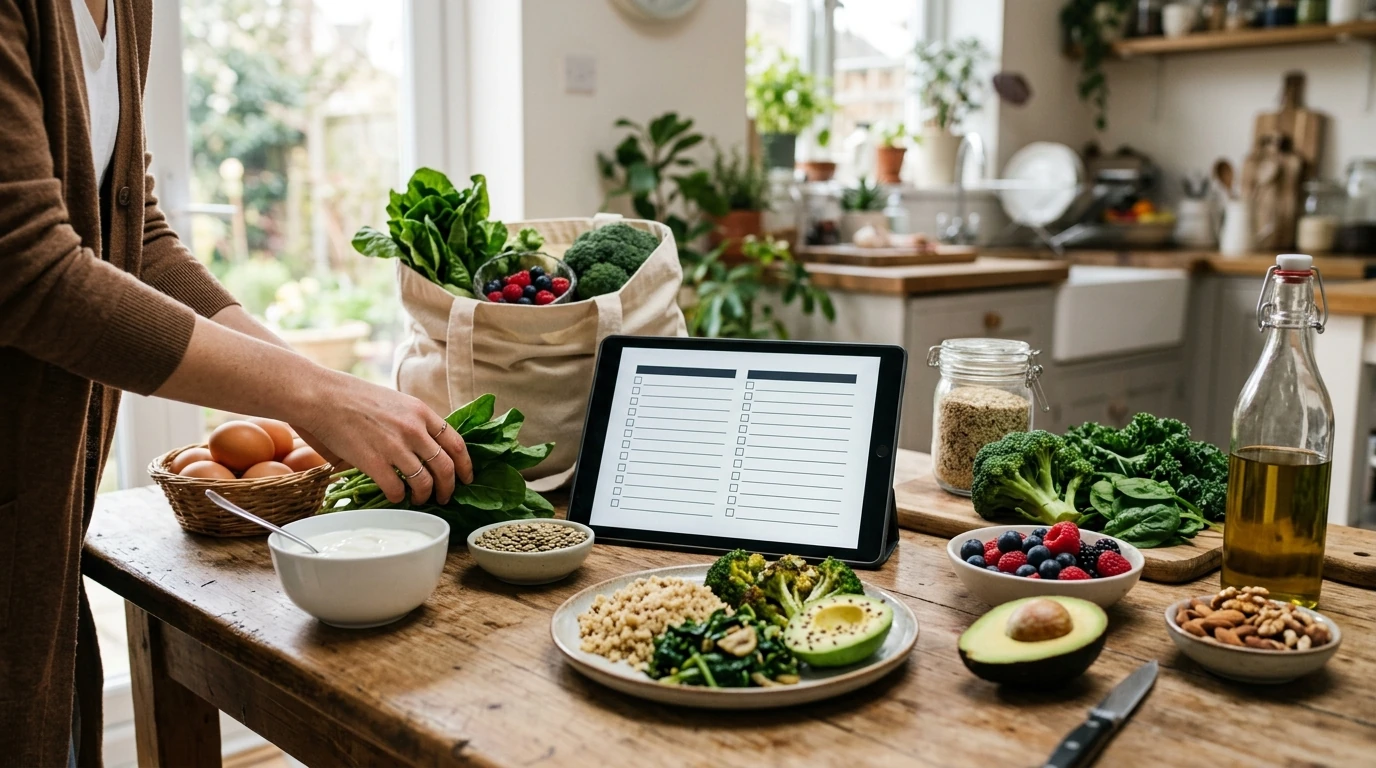
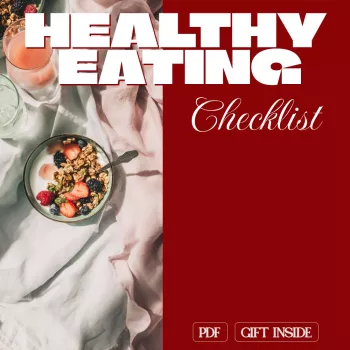
Balanced meals can support steadier energy, mood, and cycle-to-cycle consistency—without turning eating into a full-time job. Your Healthy Eating Checklist is a simple digital guide designed as a practical, repeatable framework for hormone-friendly nutrition: what to include, what to rotate, and how to build plates that feel satisfying while supporting overall wellness.
What “hormone-friendly” eating looks like day to day
Hormone-friendly eating isn’t about “perfect” foods—it’s about patterns that help your body feel more stable and well-fueled. A few small principles, repeated consistently, often matter more than big overhauls.
- Prioritize blood-sugar steadiness: pair carbohydrates with protein, fiber, and healthy fats to reduce spikes and crashes.
- Focus on consistency over perfection: repeating a few reliable breakfasts and lunches can be more supportive than frequent extremes.
- Build meals around nourishment signals: stable energy, fewer cravings, better sleep quality, and improved digestion can be useful markers.
- Use food as a foundation, not a replacement for medical care: especially with diagnosed endocrine conditions.
- Keep portions flexible: support changes across menstrual phases, stress levels, training cycles, and recovery needs.
For a simple visual framework that aligns well with balanced plate-building, Harvard’s guide is a helpful reference: Harvard T.H. Chan School of Public Health — Healthy Eating Plate.
What’s inside the Healthy Eating Checklist digital download
This digital download is structured to make weekly planning easier—especially when decision fatigue hits. Instead of telling you exactly what to eat on Tuesday at 6 p.m., it gives a clear checklist for building balanced meals with foods you actually enjoy.
- A clear checklist format to make planning and shopping faster, with an emphasis on balanced meals and nutrient-dense choices.
- Guidance that supports hormone balance goals through steady protein intake, fiber-forward plants, and quality fats.
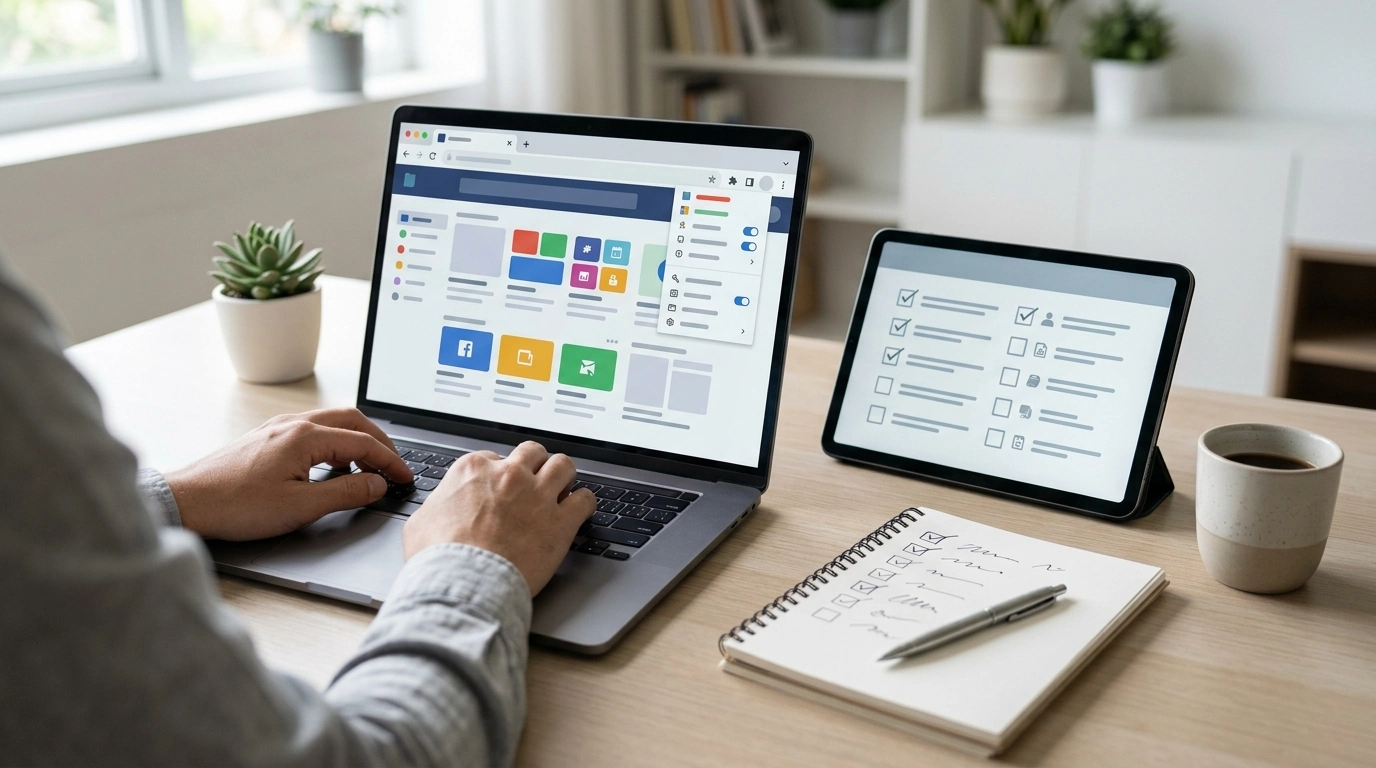
- An easy reference that can be used weekly: print it, save it to a tablet, or keep it on a phone for grocery runs.
- Designed for everyday wellness routines—helpful for beginners who want structure and for experienced planners who want a simpler system.
- Low-cost, instant access digital format for quick implementation.
Get the Healthy Eating Checklist digital download and keep it as a quick weekly reset for groceries, meal prep, and “what do I eat now?” moments.
At-a-glance product details
| Item | Details |
|---|---|
| Format | Digital download (eBook/checklist guide) |
| Focus | Hormone balance, wellness, and nutrition routine support |
| Best for | Meal planning, grocery lists, habit-building |
| Price | USD 2.99 |
| Availability | In stock (digital) |
How to use the checklist in a 10-minute weekly routine
The goal is to make your week easier, not more complicated. A short weekly planning loop can reduce impulse purchases, patchy meals, and the “snack-then-crash” cycle.
- Pick 2–3 proteins for the week (eggs, Greek yogurt, lentils, chicken, tofu, canned fish) so meals are easy to assemble.
- Choose 3–5 high-fiber carbs (oats, quinoa, potatoes, beans, fruit) and pair them with protein for steadier energy.
- Add 5–7 produce options for color and variety; aim for at least one leafy green and one cruciferous vegetable during the week.
- Select 2–3 fats (olive oil, avocado, nuts/seeds) to improve satiety and nutrient absorption.
- Plan fallback meals for busy days (rotisserie chicken + salad kit; yogurt + berries + nuts; frozen veg + tofu stir-fry).
- Keep hydration and minerals on the list: water, herbal tea, electrolyte options, and magnesium-rich foods can support overall wellbeing.
Magnesium needs vary by person, and supplements aren’t always necessary, but it’s useful to know common sources and considerations: NIH Office of Dietary Supplements — Magnesium Fact Sheet for Health Professionals.
A plate-building framework for steadier energy and cravings
If you want one repeatable strategy, build your plate in layers. This helps keep meals satisfying (so you’re not hunting for snacks an hour later) while supporting steady energy.
Quick plate template
| Plate element | Simple options | Why it helps |
|---|---|---|
| Protein | Eggs, yogurt, beans, tofu, chicken, fish | Supports satiety and steadier appetite |
| Fiber-rich plants | Leafy greens, broccoli, berries, legumes | Supports digestion and fullness |
| Quality fats | Olive oil, avocado, nuts, seeds | Improves satisfaction and nutrient absorption |
| Carbohydrates | Oats, quinoa, potatoes, fruit | Supports energy; best paired with protein/fat/fiber |
Common obstacles—and simple fixes that keep the plan realistic
Who this checklist is best for (and when to seek extra support)
If you’re pregnant or trying to conceive, general safety guidance can be a useful starting point while you coordinate individualized care: ACOG — Nutrition During Pregnancy.
Small upgrades that make routines easier (and nicer)
Consistent habits often stick better when the routine feels enjoyable. If you like listening to podcasts or taking calls while grocery shopping, walking after meals, or meal-prepping, consider Explore HiFi Dynamic Driver Earbuds for workout walks and meal-prep time.
And if your kitchen or dining area is part of your reset ritual, See the Natural Marble Tissue Box with Gold Accents for an elevated kitchen or dining space—a small detail that can make the space feel more put together during busy weeks.
FAQ
Is this checklist a meal plan?
No—this is a flexible checklist and framework for choosing foods and building balanced meals. It can help you create your own simple meal plan quickly, based on your preferences and schedule.
Can the checklist help with PMS, energy crashes, or cravings?
Balanced meals that include protein, fiber, and fat can support steadier blood sugar and satiety, which may influence energy and cravings. If symptoms are persistent, severe, or changing quickly, it’s worth discussing them with a clinician.
How do I use the download—can I print it?
It’s a digital download you can save to a phone or tablet, and you can also print it for weekly use. Many people keep a copy handy for grocery runs and quick meal-prep decisions.









Leave a comment