AI Fitness Checklist: Printable & Digital Weekly Planner
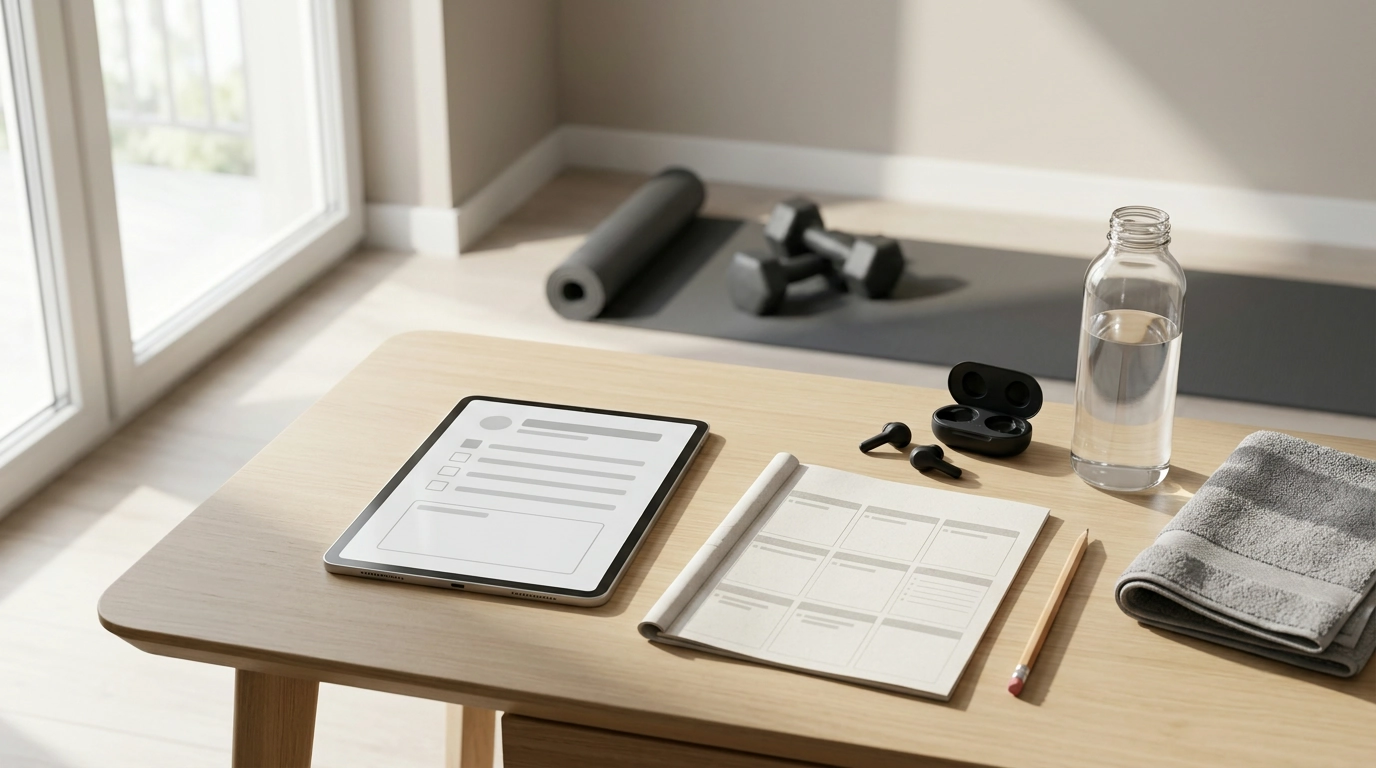
AI-Powered Fitness Checklist: A Simple System for Planning Workouts and Reaching Wellness Goals
A good plan removes guesswork, but real progress comes from consistency and feedback. This AI-powered fitness checklist is designed as a lightweight system for setting goals, choosing training priorities, tracking habits, and adjusting week to week—whether the focus is weight loss, muscle gain, or overall wellness. Use it as a printable or digital guide to turn intentions into repeatable routines.
What This Checklist Helps Solve
- Overwhelm from too many programs, apps, and conflicting advice
- Inconsistent workouts caused by unclear weekly structure
- Plateaus from repeating the same intensity, exercises, or routine
- Difficulty balancing training, nutrition, sleep, stress, and recovery
- Lack of a simple way to review progress and adjust the next week
What’s Included in the AI-Powered Fitness Checklist (Digital + Printable)
- Goal-setting prompts that translate outcomes (fat loss, strength, energy) into weekly actions
- Workout planning pages for scheduling sessions, tracking sets/reps, and noting performance
- Habit checklists for sleep, hydration, steps/cardio, mobility, and nutrition basics
- Weekly review section to spot patterns and select the next micro-goal
- Printer-friendly layout plus a digital-friendly format for tablets/laptops
How to Use It in 10 Minutes a Week
- Choose one primary goal for the next 2–4 weeks (fat loss, muscle gain, performance, wellness).
- Set 2–3 measurable weekly targets (examples: 3 strength sessions, 8k steps/day, protein at each meal).
- Plan workouts on specific days with a realistic duration and backup options.
- Record only the essentials during training (loads, reps, RPE/effort, and any pain or limitations).
- At week’s end, review what worked, what didn’t, and adjust one variable (volume, intensity, schedule, recovery).
To keep your weekly plan aligned with widely accepted health guidance, use the checklist to confirm you’re hitting a baseline of movement across the week, then build on it with strength and recovery. The Physical Activity Guidelines for Americans and the CDC’s Healthy Weight resources are solid references for minimum activity targets and sustainable lifestyle habits.
Weekly Structure Templates for Common Goals
The most effective weekly template is the one you can repeat. A checklist makes that repeatability obvious—if the plan is too ambitious, it shows up immediately as missed sessions, low sleep, or inconsistent meals.
- Weight loss: prioritize consistent training, daily movement, and a manageable nutrition routine
- Muscle gain: prioritize progressive overload, adequate protein, and recovery/sleep quality
- Wellness and energy: prioritize sustainable habits, stress management, and joint-friendly movement
- Busy schedule: use 20–30 minute sessions, full-body splits, and pre-planned “minimum effective” workouts
Sample weekly plan options (mix and match)
| Goal focus | Strength training | Cardio / steps | Recovery focus | Weekly review metric |
|---|---|---|---|---|
| Weight loss | 3 full-body sessions | 8–12k steps/day or 2–3 short cardio sessions | Sleep schedule + hydration | Average weekly weigh-in + waist measurement |
| Muscle gain | 4 sessions (upper/lower or full-body) | Light steps for recovery | Protein target + rest days | Rep PRs and weekly volume completed |
| Wellness | 2–3 sessions (full-body + mobility) | Daily walk + optional low-intensity cardio | Stress + mobility work | Energy rating and joint comfort |
| Time-crunched | 2–3 short full-body sessions | Steps breaks throughout the day | Stretching + consistent bedtime | Sessions completed (consistency score) |
Making the Checklist Work With “AI” Thinking (Without Complexity)
“AI thinking” here simply means using a repeatable feedback loop. You’re not trying to track everything—just enough to make smarter weekly decisions.
- Use a consistent input/output loop: plan → execute → track → review → adjust one variable
- Treat each week as a small experiment: keep most things the same while changing one lever
- Look for leading indicators (sleep, steps, protein, session completion) instead of only scale weight
- Use simple decision rules: if progress stalls for 2 weeks, adjust calories, steps, volume, or intensity—one at a time
- Build a “minimum plan” for stressful weeks to protect momentum
Tracking That Actually Helps (Not Just More Data)
More notes don’t automatically create more progress. A good checklist keeps tracking tight: what you did, how hard it was, and whether your recovery supports the next session.
- Strength: best set performance, total sets completed, and effort rating
- Body composition: weekly averages and measurements rather than daily fluctuations
- Recovery: sleep duration/quality, soreness, and readiness to train
- Lifestyle: steps/movement, hydration, and meal consistency
- Adherence: the simplest predictor of results—sessions and habits completed
If you want deeper training standards and evidence-based progression principles, the American College of Sports Medicine (ACSM) resources are a reliable place to cross-check best practices.
Common Mistakes and Quick Fixes
Who It’s For
Get the Digital Download
- AI-Powered Fitness Checklist | Digital Download Guide, eBook & Printable for Workout Planning, Weight Loss, Muscle Gain & Wellness Goals
- HiFi Dynamic Driver Earbuds (helpful for focused gym sessions, walks, or cardio)
- Natural Marble Tissue Box with Gold Accents (a simple home-gym or desk accessory for a clean training space)
FAQ
Is this checklist better as a printable or a digital file?
Both work well: printable pages are fast to check off daily, while a digital file is convenient for typing notes on a tablet or laptop. Many people start digitally, then print only the weekly planning and review pages they need.
Can it be used for weight loss and muscle gain at the same time?
Yes, but it works best when you pick one primary goal for a 2–4 week block while keeping strength training and protein consistent. Track leading indicators (sessions, steps, protein) and use photos or measurements to confirm changes beyond the scale.
How often should the plan be adjusted?
Do a quick review weekly and make small changes. If progress stalls for about two weeks with solid adherence, adjust one variable at a time—steps, calories, training volume/intensity, or recovery.











Leave a comment